
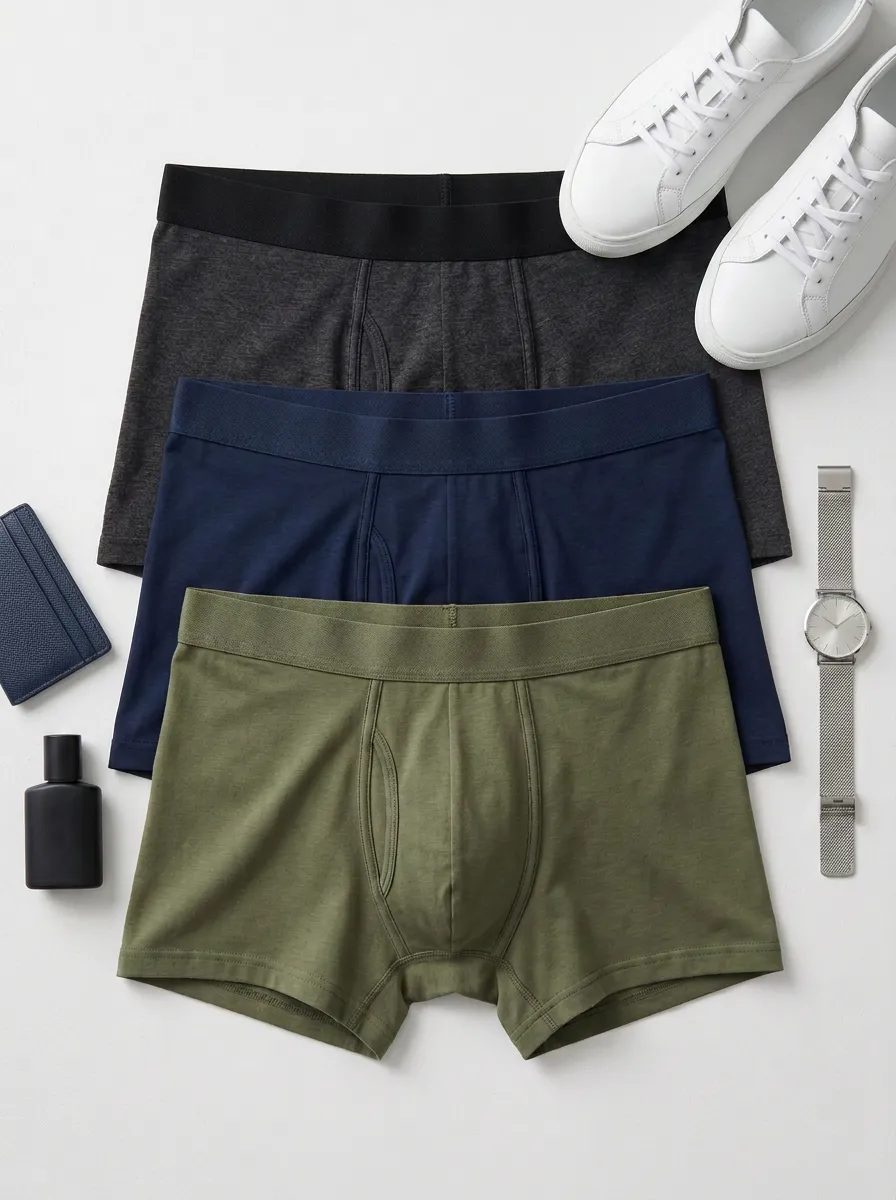
Most men wear the same cut they have always worn — usually because someone bought it for them once, or because it was the first thing on the shelf. But the three main cuts behave very differently, and the right one depends on the day you are having.
This guide compares boxer briefs, boxers and briefs on support, chafing, fit under clothes, sleep and laundry — with honest trade-offs for each. There is no single winner: the best cut is the one that matches your body, your clothes and your day.
If you already know you want boxer briefs, our comfort guide ranks 16 pairs. If chafing is your main concern, start with our fabric and chafing guide.
The three cuts at a glance
| Cut | Best for |
|---|---|
| Boxer briefs | Everyday wear, sport, and anyone who wants support plus thigh coverage. The most versatile cut. |
| Boxers | Sleep, lounging, and loose trousers. Maximum airflow, no support, no chafing protection. |
| Briefs | Slim trousers, hot weather, and men who want minimal fabric with maximum support. |
1. The three cuts at a glance
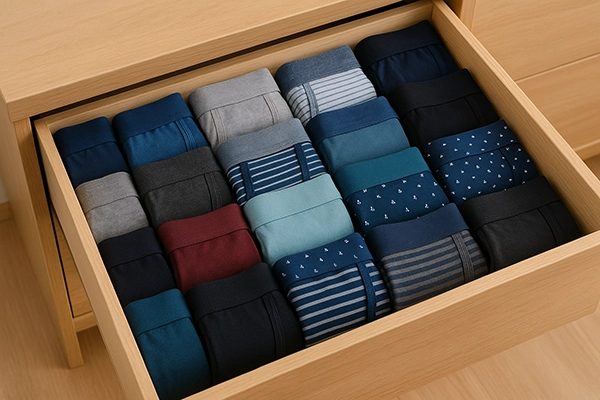
Boxer briefs are the hybrid: the fitted leg of a brief with the longer coverage of a boxer. They hug the thigh, support everything, and stay put under slim trousers. They are the default for most men under 40, and for good reason — they solve the most problems.
Boxers are the loose original: woven or knit shorts with no support and maximum airflow. Briefs are the minimal option: a close-fitting pouch with no leg, maximum support in minimum fabric. Each has a genuine use case, and the sections below work through them honestly.
2. Boxer briefs: the modern default
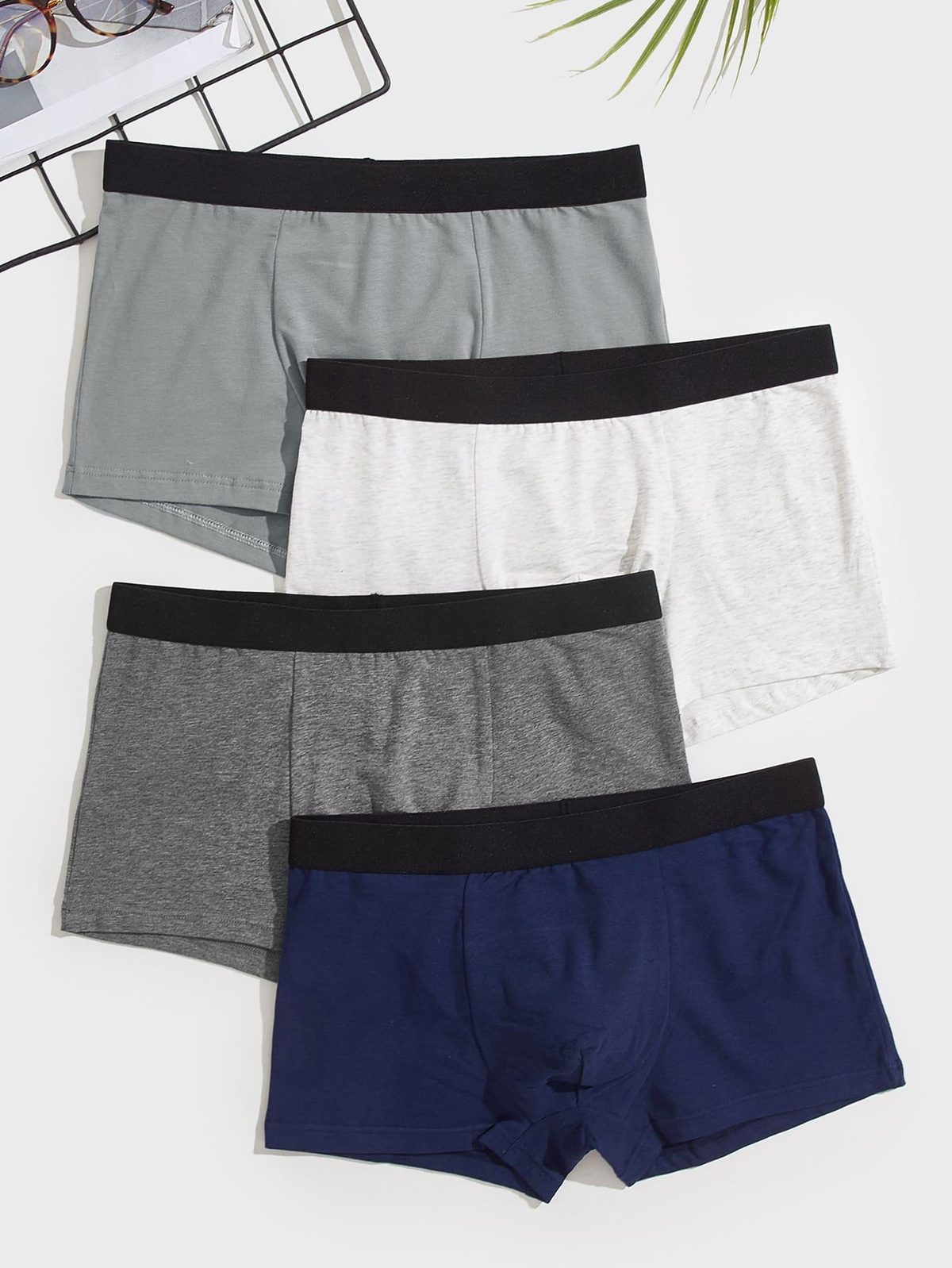
Boxer briefs dominate the market because they are the best compromise: support without constriction, thigh coverage without bulk, and a clean line under everything from jeans to suit trousers. The leg length — usually 3 to 9 inches — is the key variable, and longer legs add chafing protection.
The main drawback is heat. A fitted, longer leg traps more warmth than loose boxers, and cotton boxer briefs can stay damp in hot weather. The fix is fabric, not cut: modal and mesh boxer briefs breathe far better than cotton. Our fabric guide covers the trade-offs.
3. Boxers: the loose classic
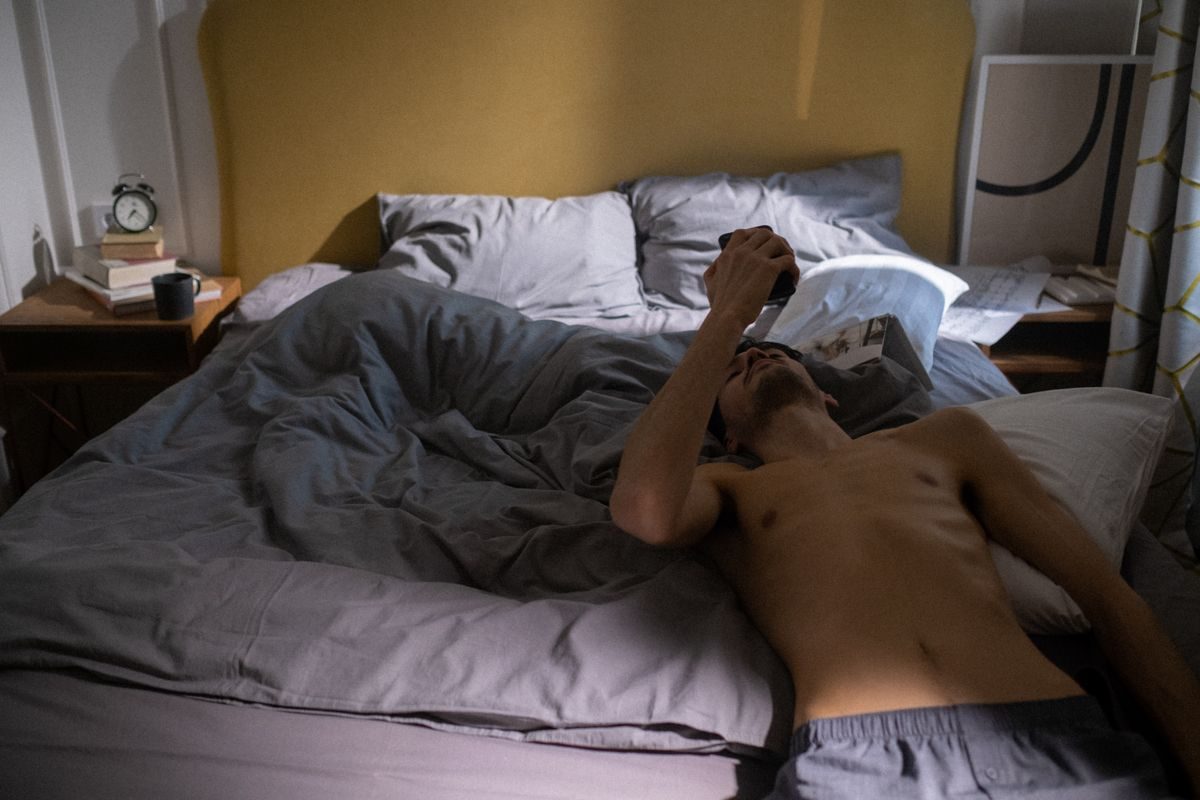
Boxers are the oldest cut and the most comfortable for doing nothing. Loose woven cotton or knit, no elastic grip on the thigh, maximum airflow — they are the underwear equivalent of an open window. For sleep and lounging, nothing beats them.
For anything active, they fail. No support means movement, movement means friction, and friction means chafing on any walk longer than a stroll. They also bunch under slim trousers and show lines under anything fitted. Keep a few pairs for the house; do not wear them hiking.
4. Briefs: the minimal option
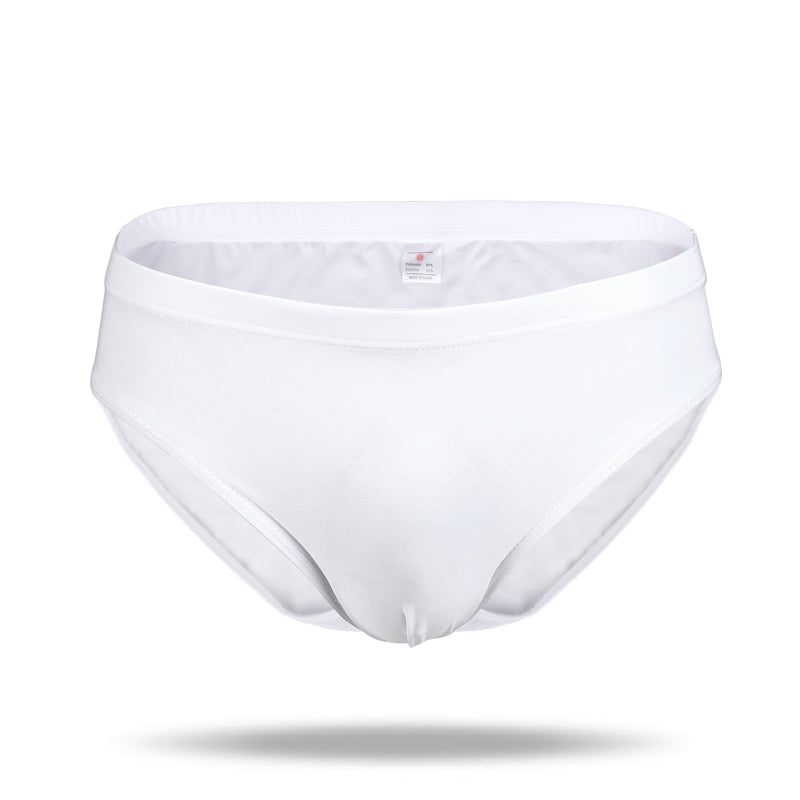
Briefs are the most divisive cut: men who wear them swear by the support and the minimal fabric, and men who don't find them too revealing. The honest case for briefs is strong — maximum support, zero leg fabric to bunch or ride up, and the coolest option in hot weather.
The trade-off is chafing protection: with no leg coverage, the inner thighs are unprotected, so briefs suit men with slimmer thighs or shorter walks. They also need precise sizing — too loose and they offer no support, too tight and they are miserable. Measure your waist and check the brand's chart.
5. Support and comfort

Support is about keeping things in place during movement. Briefs offer the most concentrated support; boxer briefs offer nearly as much, spread over a longer leg; boxers offer none. For running, gym work and physical jobs, support is not optional — it is the difference between comfort and a long day.
Comfort is more subjective. Some men find fitted cuts restrictive and prefer the freedom of boxers; others find loose fabric distracting. The honest advice is to try all three for a week each — your body will tell you quickly which one it prefers.
6. Chafing and movement

Chafing is the deciding factor for many men, and the ranking is clear: long-leg boxer briefs prevent it best, short-leg boxer briefs help, briefs offer no protection, and boxers actively cause it on long walks. The leg fabric acts as a barrier between skin and skin.
If you walk a lot, commute on foot, or have larger thighs, long-leg boxer briefs are not a preference — they are a necessity. Our chafing guide covers fabric choices and fit in detail.
7. Under different clothes
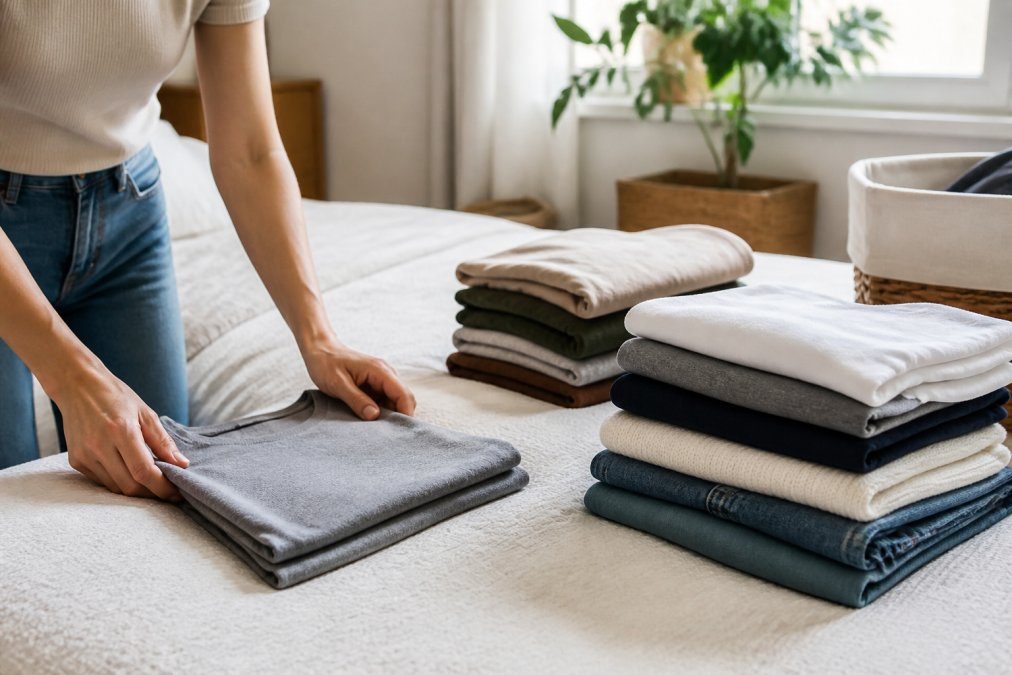
Under slim trousers, boxer briefs and briefs both work — the key is a smooth, flat waistband and no excess fabric. Boxers bunch visibly and are best avoided. Under loose shorts or wide-leg trousers, any cut works, and boxers' airflow becomes an advantage.
Under gym shorts, boxer briefs are the clear winner: they stay put, prevent chafing and do not show. Under a suit, a smooth modal boxer brief is the most invisible option. The rule is simple: the slimmer the outer layer, the smoother the underwear needs to be.
8. Sleep and lounging
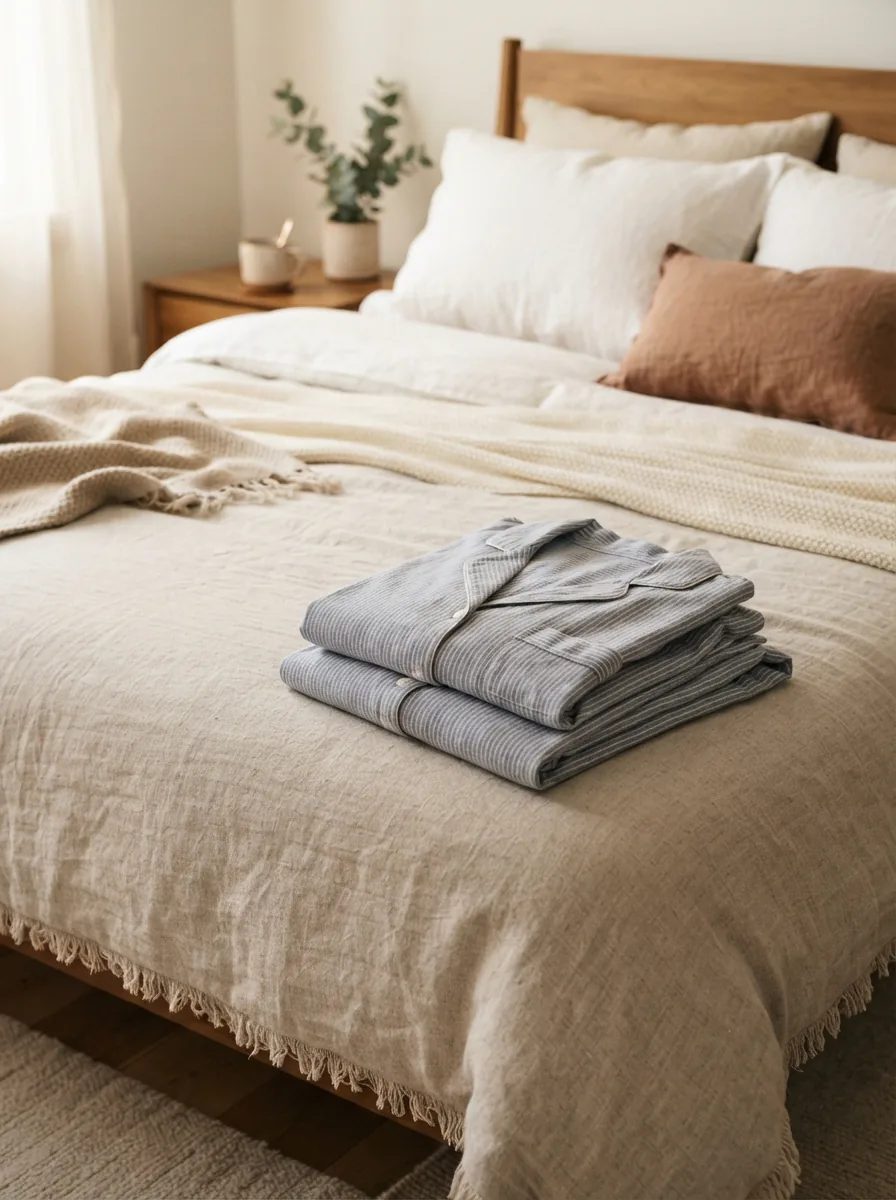
At night, support stops mattering and airflow takes over. Boxers are the sleep winner for most men — loose, cool and unrestricted. Some men prefer sleeping in boxer briefs, and that is fine too, but the fitted leg is unnecessary in bed.
The practical answer is to keep a few dedicated sleep pairs separate from your daytime rotation. Cotton boxers or loose knit boxer briefs both work; the key is that they are clean, loose and comfortable enough to forget about.
9. Laundry and longevity
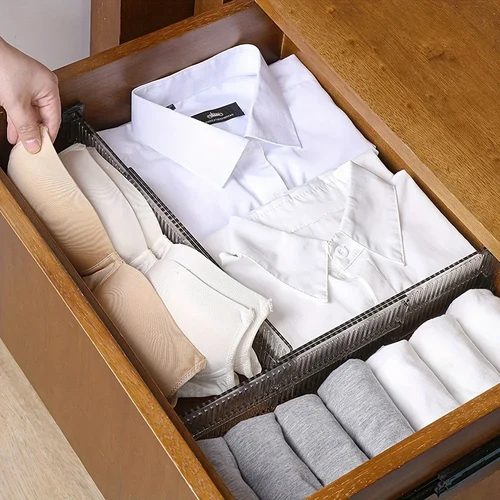
Boxer briefs and briefs wear out faster than boxers, because the elastic and the fitted leg take more stress. Expect 1–2 years from a good pair with regular washing. Boxers, with no elastic leg and looser construction, often last longer.
The practical implication is rotation size: if you wear boxer briefs daily, you need 7–10 pairs; if boxers are a weekend-and-sleep option, 3–4 pairs is plenty. Our how-many-pairs guide works through the numbers.
10. Which should you choose?
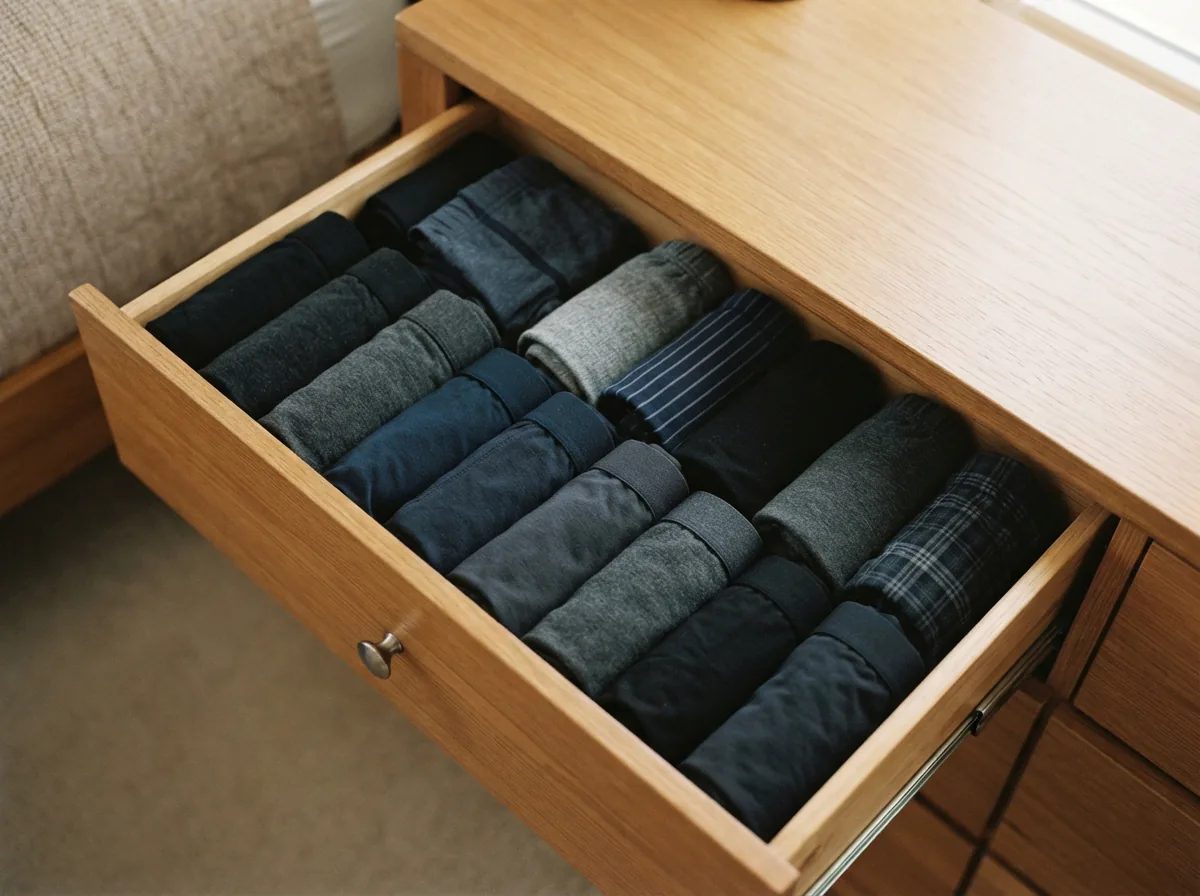
If you want one answer: boxer briefs. They are the most versatile cut, they suit the most body types, and they handle the most situations. Start with a mid-length pair in a cotton-modal blend and adjust from there.
But the best drawer has more than one cut: boxer briefs for the working week, boxers for sleep and weekends, and briefs for hot days or slim trousers. Buying all three in small numbers and letting your body decide is cheaper than committing to a full drawer of the wrong cut.
Frequently asked questions
Are boxer briefs better than boxers?
For most men, yes — boxer briefs offer support and chafing protection that boxers lack, and they fit better under modern trousers. Boxers win only for sleep and lounging.
Are briefs bad for you?
No. Briefs offer the most support of the three cuts, and there is no credible evidence that they cause harm. The main drawback is the lack of chafing protection on the inner thigh.
What underwear is best for chafing?
Long-leg boxer briefs in a smooth, stretchy fabric — modal, bamboo rayon or a synthetic blend. The leg fabric acts as a barrier, and smooth fabric reduces friction.
Which cut is best for slim trousers?
Boxer briefs or briefs, in a smooth fabric with a flat waistband. Boxers bunch visibly under slim trousers and are best avoided.
Can I wear boxers to the gym?
You can, but you will regret it — no support and no chafing protection make boxers the worst choice for any workout. Boxer briefs are the gym standard.
What is the most comfortable underwear for men?
For most men, a mid-length boxer brief in modal or bamboo rayon. Our comfort guide ranks 16 boxer briefs on fabric, fit and staying power.
Should I sleep in underwear?
It is personal preference. If you do, loose boxers or a relaxed boxer brief in breathable cotton are the most comfortable options — fitted synthetics are the worst choice for sleep.
How often should I replace underwear?
Every 1–2 years for daily-wear pairs, or sooner if the waistband loses grip, the fabric thins, or the fit changes. Boxers last longer than fitted cuts.