

Chafing is skin rubbing skin, or skin rubbing fabric, until it becomes raw. It is painful, embarrassing, and — unlike most discomfort — almost entirely preventable. The fix is not a cream or a powder (though those help); it is the fabric and fit of what you wear closest to your skin.
This guide explains why chafing happens, which fabrics make it worse, which fabrics help, and the fit changes that stop it. No medical advice — if chafing becomes broken skin or infection, see a doctor. For everything else, the answer is in your drawer.
If you want product recommendations, our boxer brief guide ranks the best anti-chafe pairs, and our fabric guide compares modal, cotton and bamboo in depth.
The anti-chafe shortlist
| Change | Why it works |
|---|---|
| Long-leg boxer briefs | Fabric between the thighs is the single most effective barrier against skin-on-skin friction. |
| Smooth, stretchy fabric | Modal, bamboo rayon and smooth synthetics slide instead of gripping — less friction, less heat. |
| Avoid wet cotton | Cotton holds sweat, swells and becomes abrasive. It is the worst fabric for chafing when damp. |
| Right size, not tight | Too tight increases friction; too loose bunches and rubs. Snug and smooth is the target. |
1. What chafing actually is
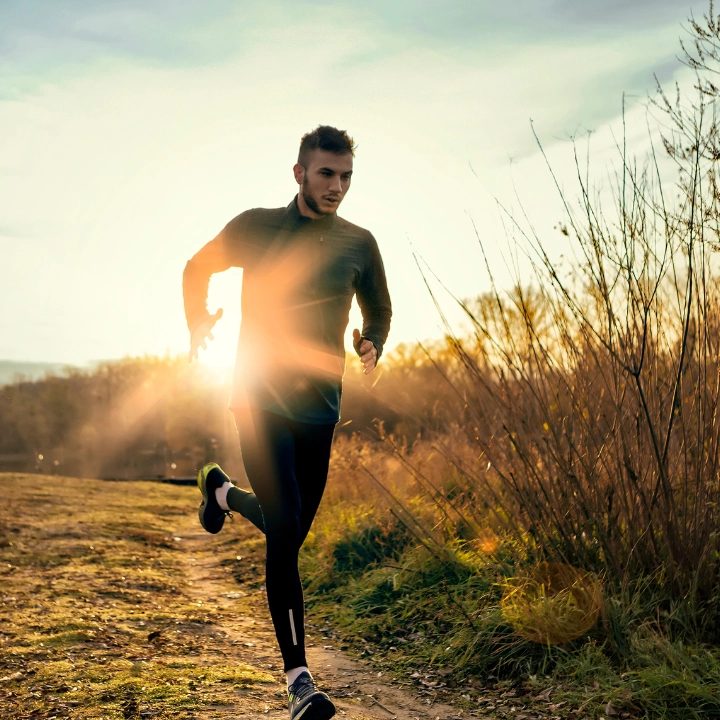
Chafing is mechanical: repeated friction removes the outer layer of skin, and moisture and heat accelerate the damage. The inner thighs are the most common site, because the legs move against each other thousands of times a day, and the area stays warm and damp.
Anyone can chafe — runners, walkers, people with larger thighs, people in humid climates, anyone on a long hot day. It is not a sign of poor fitness or poor hygiene. It is a sign that something is rubbing, and the fix is to stop the rubbing.
2. Why it happens on the move

Walking generates about 5,000 steps a day for most people; running multiplies the friction with each stride. Add sweat — which softens skin and increases friction — and you have the perfect conditions for chafing within an hour.
The key insight is that chafing is cumulative. A small amount of friction is harmless; the same friction repeated thousands of times is not. That is why the fix has to be continuous — a barrier that works all day, not a cream that wears off by noon.
3. The worst fabrics for chafing
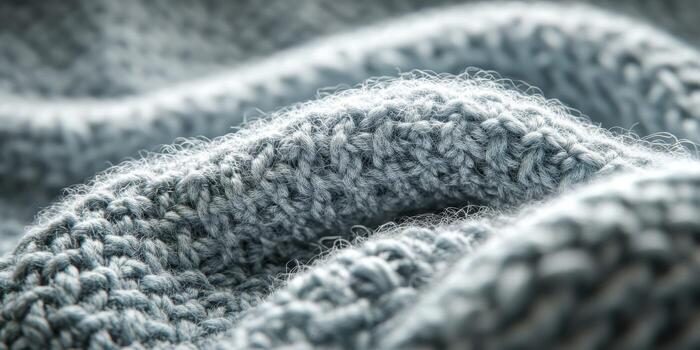
Wet cotton is the worst offender. Dry cotton is soft and comfortable; damp cotton swells, becomes heavy and turns abrasive. A cotton pair that feels fine at 9am can be a chafing machine by 2pm on a hot day.
Rough textures are the other problem: coarse knits, heavy seams and stiff waistbands all create friction points. If you can feel a seam when you run your finger over it, you will feel it a thousand times over during a long walk. Flatlock seams and smooth knits are not luxuries — they are the point.
4. The best fabrics for chafing
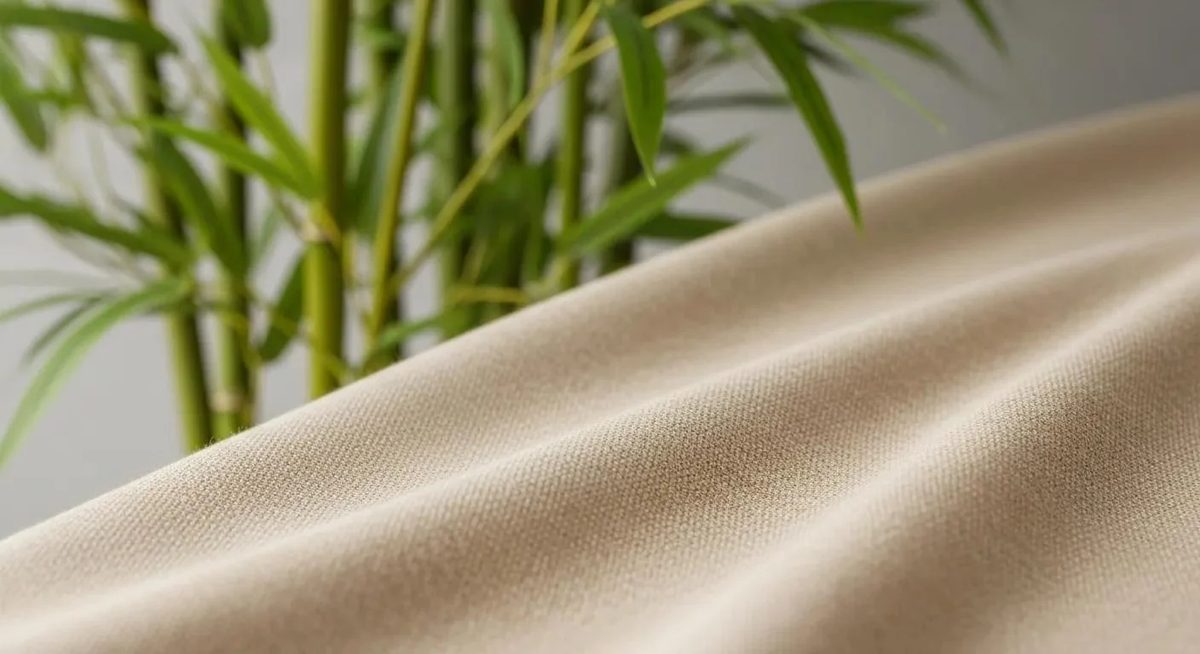
The best anti-chafe fabrics share one property: they are smooth. Modal, bamboo rayon and smooth synthetics slide against skin instead of gripping it, which reduces friction at the source. They also dry faster than cotton, so they stay smooth instead of becoming damp and abrasive.
Modal is the softest option and the most comfortable for all-day wear. Bamboo rayon is nearly as smooth and cooler in hot weather. Smooth synthetics — nylon and polyester blends — are the most durable and the fastest-drying, and the best choice for sport. Our fabric guide compares all three in detail.
5. Cotton's mixed record
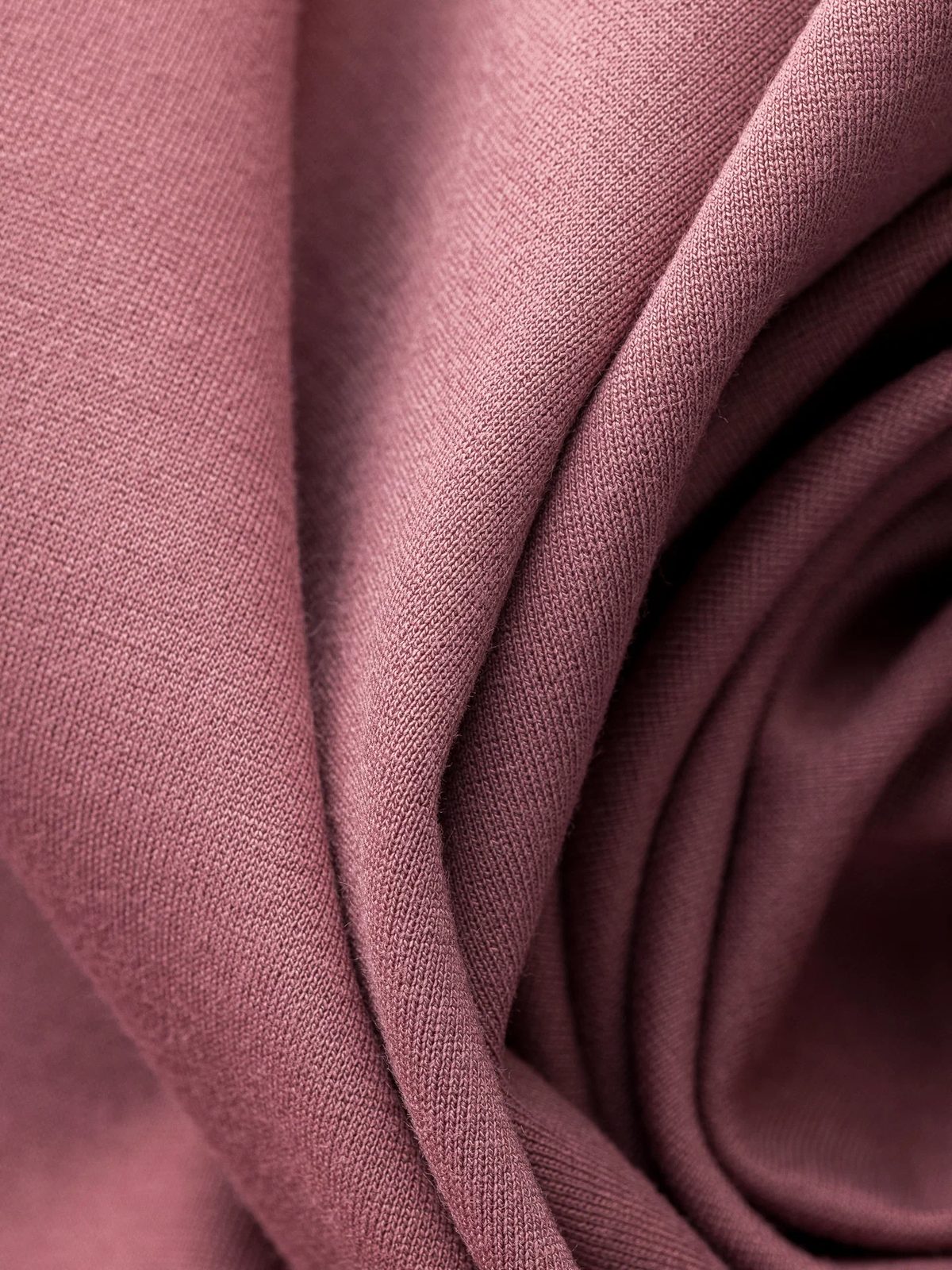
Cotton is not the enemy. Dry cotton is soft, breathable and comfortable, and for a desk day in air conditioning it is perfectly fine. The problem is specific: cotton absorbs moisture and holds it, and damp cotton becomes heavy, swollen and abrasive.
The practical rule is simple: cotton for cool, dry, low-activity days; modal, bamboo or synthetics for hot, humid or active days. If you only own cotton, a cotton-modal blend is the easiest upgrade — it keeps cotton's feel and adds modal's smoothness and drying speed.
6. Fit: the other half of the fix
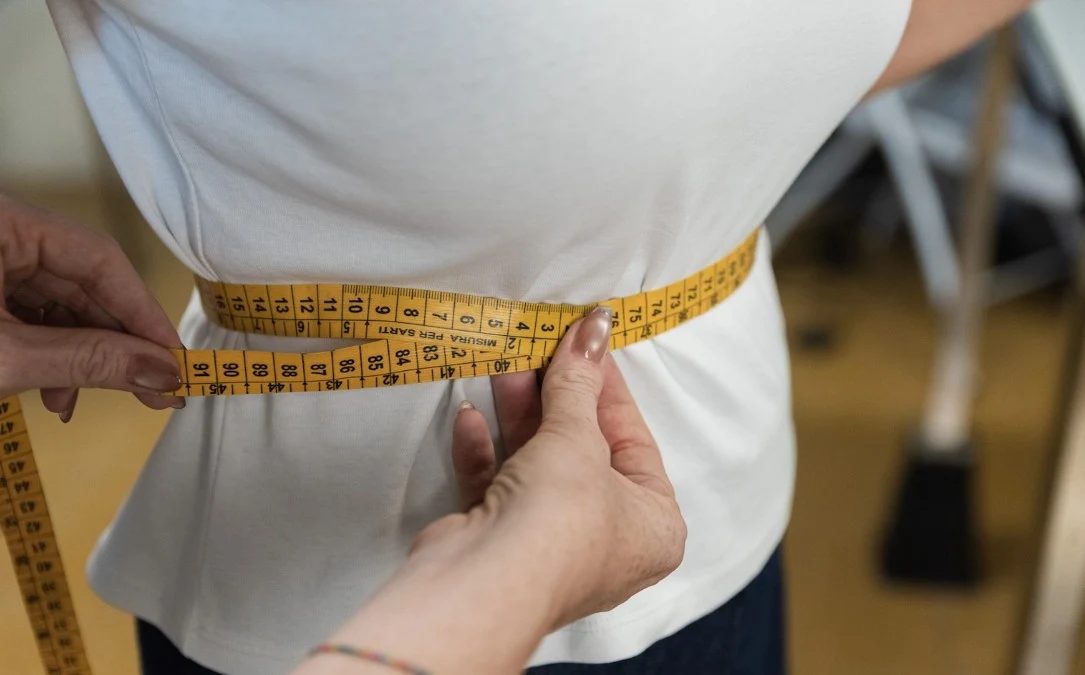
Fabric alone does not fix chafing — fit matters just as much. Too tight, and the fabric presses into the skin and increases friction. Too loose, and the fabric bunches and folds, creating new friction points with every step.
The target is snug and smooth: a leg opening that grips lightly without squeezing, a waistband that sits flat, and a pouch that supports without compressing. Measure your waist, check the brand's size chart, and remember that sizing varies between brands — a medium in one is a large in another.
7. Long walks and hikes
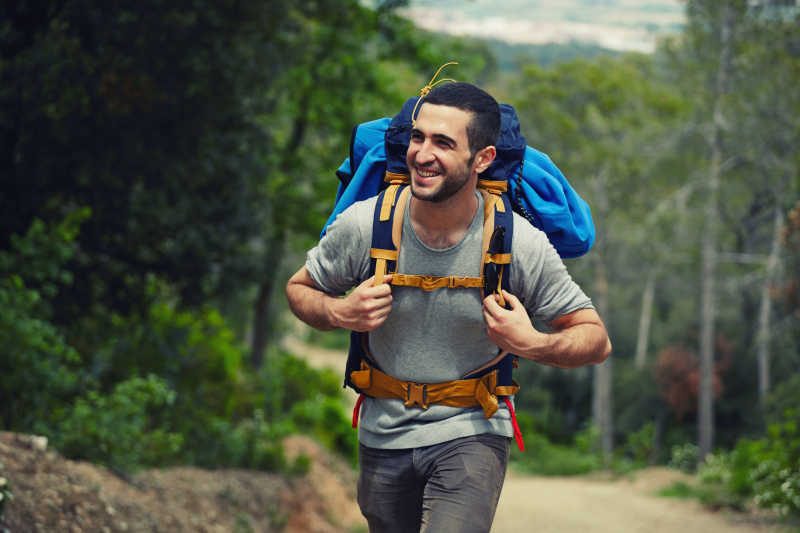
Hiking is the ultimate chafing test: hours of movement, sweat, heat and no chance to change. The fix is the same as everywhere else, just more important — long-leg boxer briefs in a smooth, fast-drying fabric, with flat seams and a stay-put leg.
Carry a spare pair. A dry pair at the halfway point is worth more than any cream, and a synthetic pair dries in hours if you need to wash one overnight. The ExOfficio and Under Armour picks in our boxer brief guide are the best hiking options we found.
8. Gym and sport
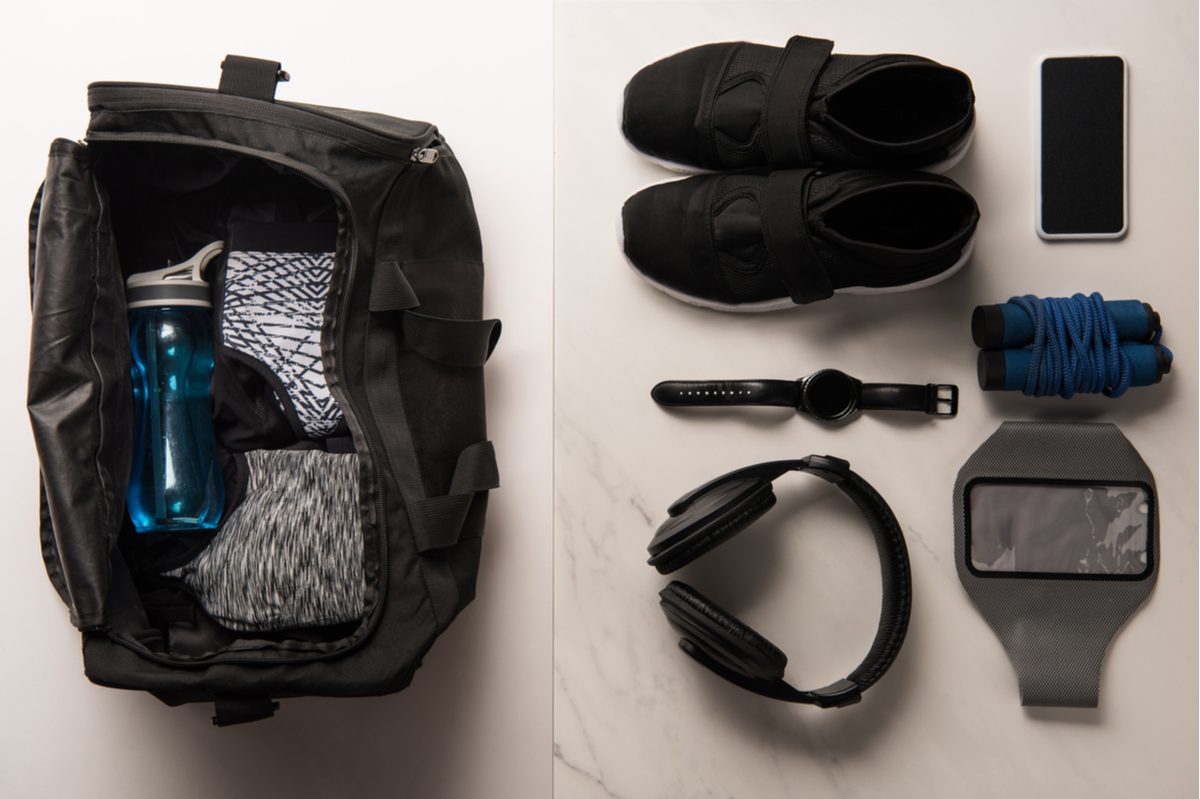
For sport, the rules change slightly: drying speed matters more than softness, and stretch matters more than breathability. A synthetic boxer brief — polyester or nylon with spandex — will outperform any natural fibre during a workout, because it stays dry and moves with you.
The same logic applies to running, cycling and team sports. Save the modal and cotton for after the shower; wear synthetics for the workout itself. The Pair of Thieves and Under Armour picks in our comfort guide are built for exactly this.
9. Beyond underwear: habits that help
A few habits help alongside the right underwear: change out of damp clothes as soon as you can, keep the area dry, and consider an anti-chafe balm or petroleum jelly for very long days — it adds a slippery layer that reduces friction further. Powders help in the short term but wash away with sweat.
Showering after exercise and changing into dry clothes is the simplest habit of all. Chafing is cumulative, so every hour in dry, smooth fabric is an hour of recovery.
10. Washing and care
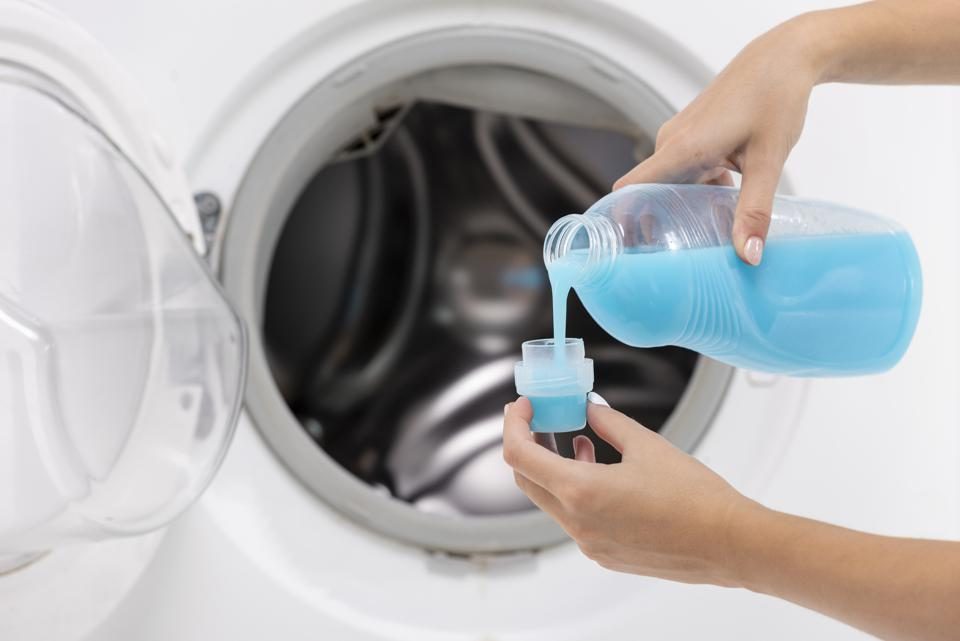
How you wash underwear affects how it feels. Fabric softener coats fibres and reduces the smoothness that prevents chafing — skip it on modal, bamboo and synthetics. Wash cold, avoid the tumble dryer, and replace pairs when the fabric thins or the leg openings lose their grip.
A worn-out pair is a chafing pair: thinning fabric, a stretched waistband and a leg that rides up are all signs that the barrier has broken down. Replace them — it is the cheapest fix in this guide.
Frequently asked questions
What is the best underwear to prevent chafing?
Long-leg boxer briefs in a smooth fabric — modal, bamboo rayon or a synthetic blend. The leg fabric acts as a barrier, and smooth fibres reduce friction at the source.
Does cotton cause chafing?
Dry cotton is fine, but damp cotton becomes heavy and abrasive — it is the worst fabric for chafing in hot or sweaty conditions. Cotton-modal blends are a better choice.
How do I stop thigh chafing when walking?
Wear long-leg boxer briefs in a smooth, stretchy fabric, make sure they fit snugly without squeezing, and change into a dry pair if you are out for hours. Anti-chafe balm helps on very long days.
Is chafing caused by being overweight?
No — anyone can chafe, including runners and athletes. It is caused by friction, moisture and heat, not by body size. Larger thighs increase contact, but the fix is the same for everyone.
What fabric is best for chafing?
Modal and bamboo rayon are the smoothest natural-feeling options; smooth synthetics (nylon, polyester) dry fastest and are best for sport. Our fabric guide compares all three.
Do anti-chafe creams work?
They help in the short term by adding a slippery layer, but they wear off with sweat and movement. The right underwear is a more reliable fix — use creams as a backup, not the main solution.
Can boxers prevent chafing?
No — boxers offer no thigh coverage and no barrier, so they are the worst choice for chafing. Long-leg boxer briefs are the best.
When should I see a doctor about chafing?
If the skin breaks, bleeds, becomes infected, or does not heal within a few days of rest and dry conditions, see a doctor. This guide covers prevention, not medical treatment.