
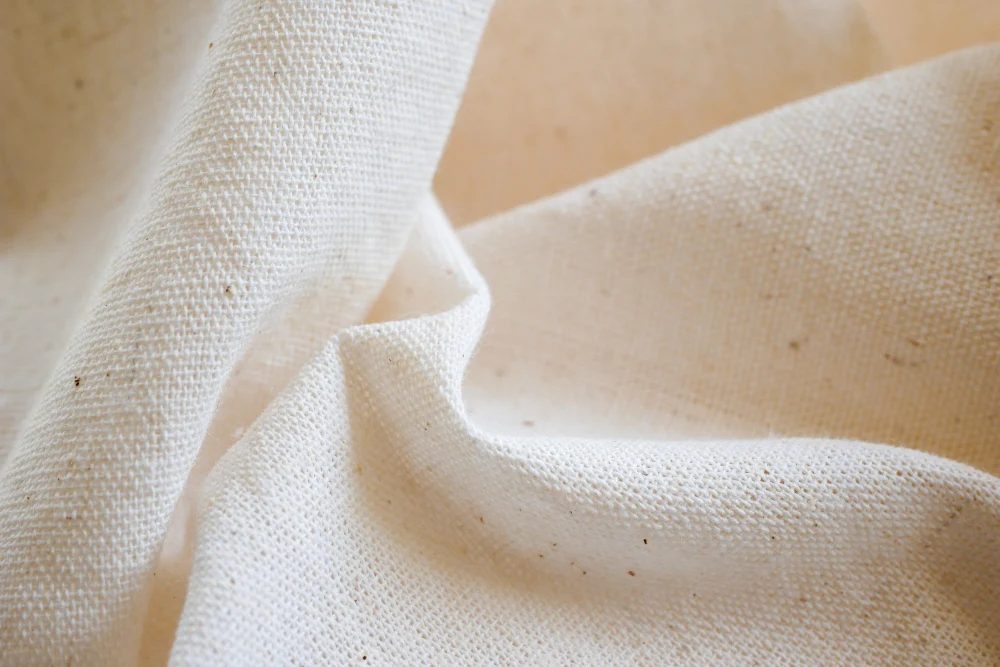
Most underwear marketing talks about brands. It should talk about fibres. The difference between a comfortable pair and an uncomfortable one is almost always the fabric — and the three fibres that dominate men's underwear are cotton, modal and bamboo rayon.
This guide compares them honestly: softness, breathability, durability, care, cost and sustainability claims. No fibre wins on everything, and the right choice depends on the day — which is why the best drawers contain all three.
If you want product picks, our boxer brief guide and undershirt guide rank the best pairs in each fabric. If chafing is your concern, our chafing guide explains why smooth fibres help.
The three fibres at a glance
| Fibre | In one line |
|---|---|
| Cotton | The familiar standard: soft, breathable, durable — but holds moisture and dries slowly. |
| Modal | The soft upgrade: silkier than cotton, cooler, better drape — needs gentler care. |
| Bamboo rayon | The cool contender: smooth, cool and soft, with a lower price than modal — less durable. |
1. The three fibres at a glance
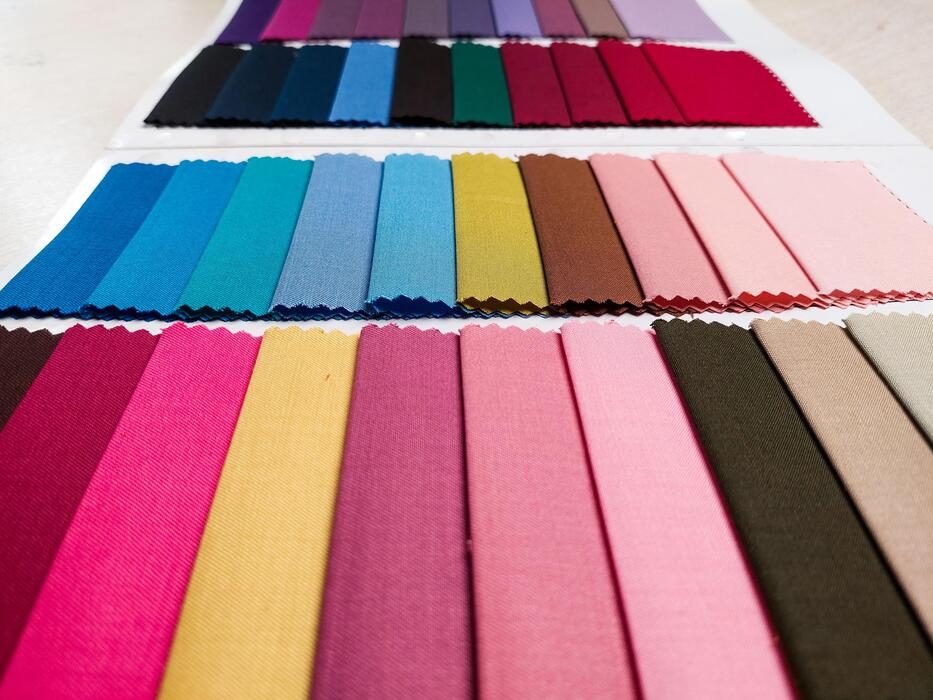
Cotton is the fibre most men know: grown as a plant, spun into yarn, knitted into fabric. It is soft, breathable and durable, and it has been the default underwear fibre for a century. Its weakness is moisture — it absorbs sweat and holds it.
Modal and bamboo rayon are both regenerated cellulose fibres: wood pulp (usually beechwood for modal, bamboo for bamboo rayon) dissolved and re-spun into fibre. They are smoother, cooler and softer than cotton, with better drape — and they dry faster. Their weakness is durability and care.
2. Cotton: the familiar standard
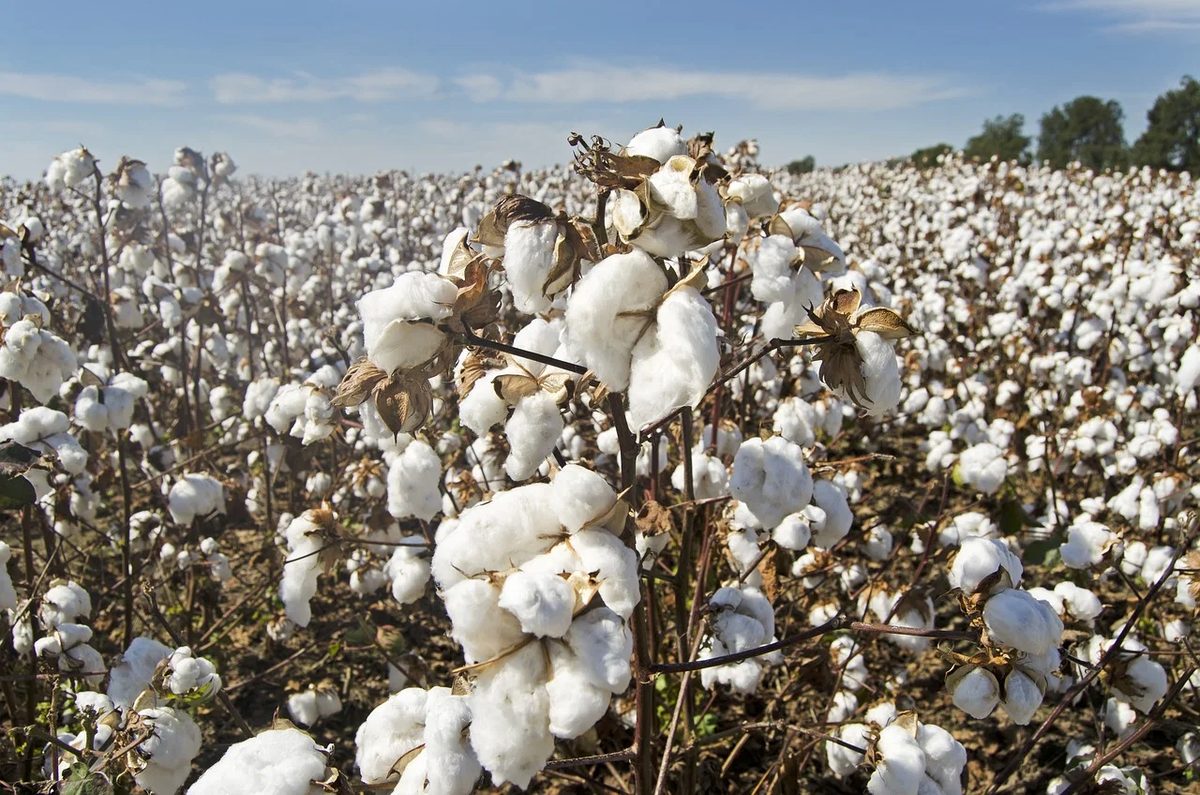
Cotton's strengths are familiarity and durability. It is soft from day one, it breathes well in dry conditions, it washes easily, and it lasts for years. A good cotton pair is the most forgiving underwear there is — it tolerates hot washes, tumble dryers and neglect.
Its weaknesses are moisture and weight. Cotton absorbs up to 7% of its weight in water and holds it, which means a damp pair stays damp. On a hot day or during exercise, cotton becomes heavy and abrasive — the reason it is the worst fabric for chafing when wet.
3. Modal: the soft upgrade
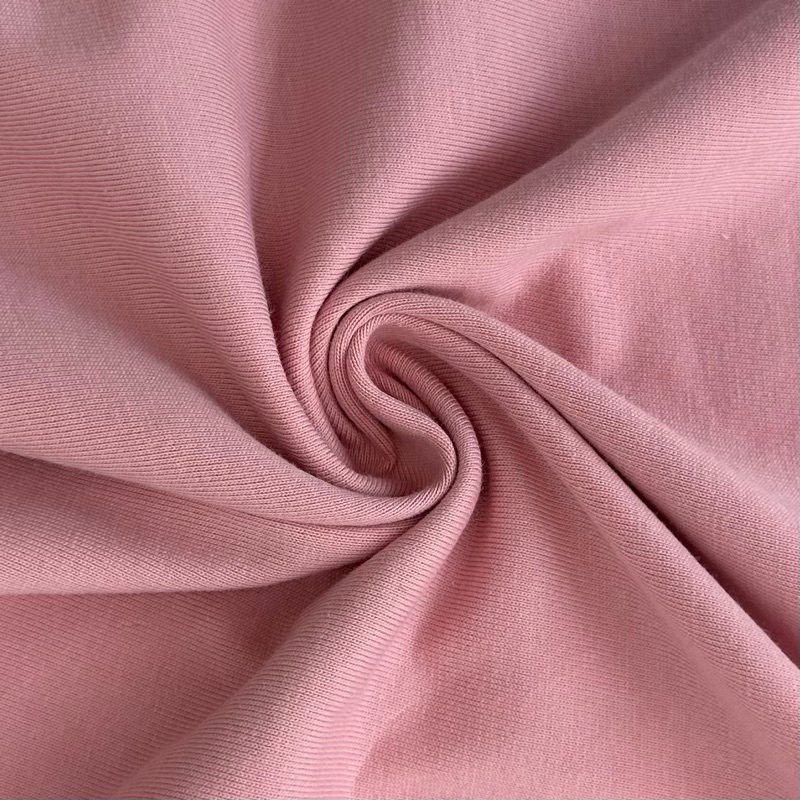
Modal is the softest fibre in this guide, and it is not close. Made from beechwood pulp, it has a silky hand, excellent drape and a cool feel against skin. It absorbs moisture better than cotton but releases it faster, so it stays comfortable in warm weather.
The trade-offs are price and care. Modal costs more than cotton, and it needs gentler washing — cold water, no tumble dryer, no fabric softener. It is also less durable than cotton over many washes, though a well-made modal pair still lasts 1–2 years. For most men, the comfort is worth the care.
4. Bamboo rayon: the cool contender

Bamboo rayon is made from bamboo pulp using the same viscose process as modal. The result is a fibre that is smooth, cool and soft — very close to modal in feel, at a lower price. It is the best value in the soft-fibre category.
The honest caveat is that "bamboo" on a label does not mean the fabric is natural or unprocessed. Bamboo rayon is a manufactured fibre, and the chemical process that makes it is not meaningfully greener than the process for modal. Buy it for comfort and price, not for eco claims.
5. What bamboo rayon feels like to wear
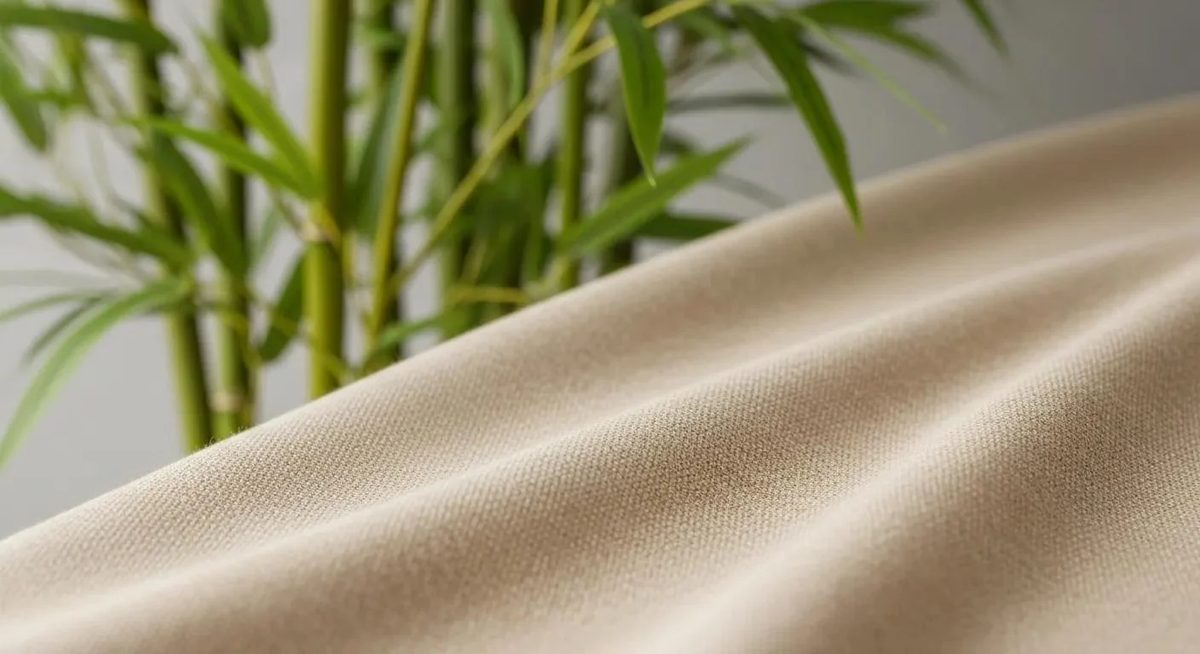
In practice, bamboo rayon feels cooler than cotton and nearly as soft as modal. It has a light, airy quality that suits hot weather and warm sleepers, and it drapes well under clothes. The DAVID ARCHY pairs in our boxer brief guide are the best bamboo option we found.
Durability is the weak point: bamboo rayon pills and thins faster than cotton, and it needs the same gentle care as modal. Expect a year of regular wear rather than two — but at the price, that is a fair trade.
6. Knit structure matters as much as fibre
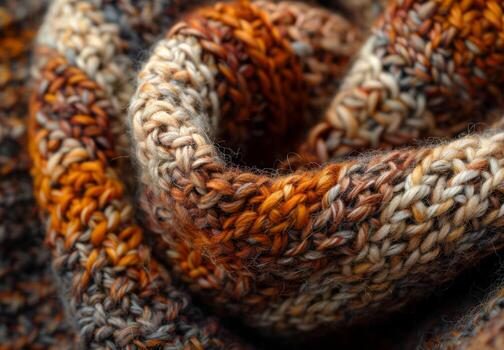
Fibre is only half the story. How the yarn is knitted — the gauge, the tension, the structure — changes how the fabric feels, stretches and breathes. A fine-gauge modal knit is silky; a coarse-gauge modal knit is ordinary. A rib knit stretches and recovers; a flat knit does not.
The practical lesson: do not judge a pair by its fibre content alone. A well-knitted cotton pair can feel better than a poorly knitted modal pair. Brand reputation and review patterns matter — which is why our guides compare specific products, not just fibres.
7. Durability: where fabric fails first
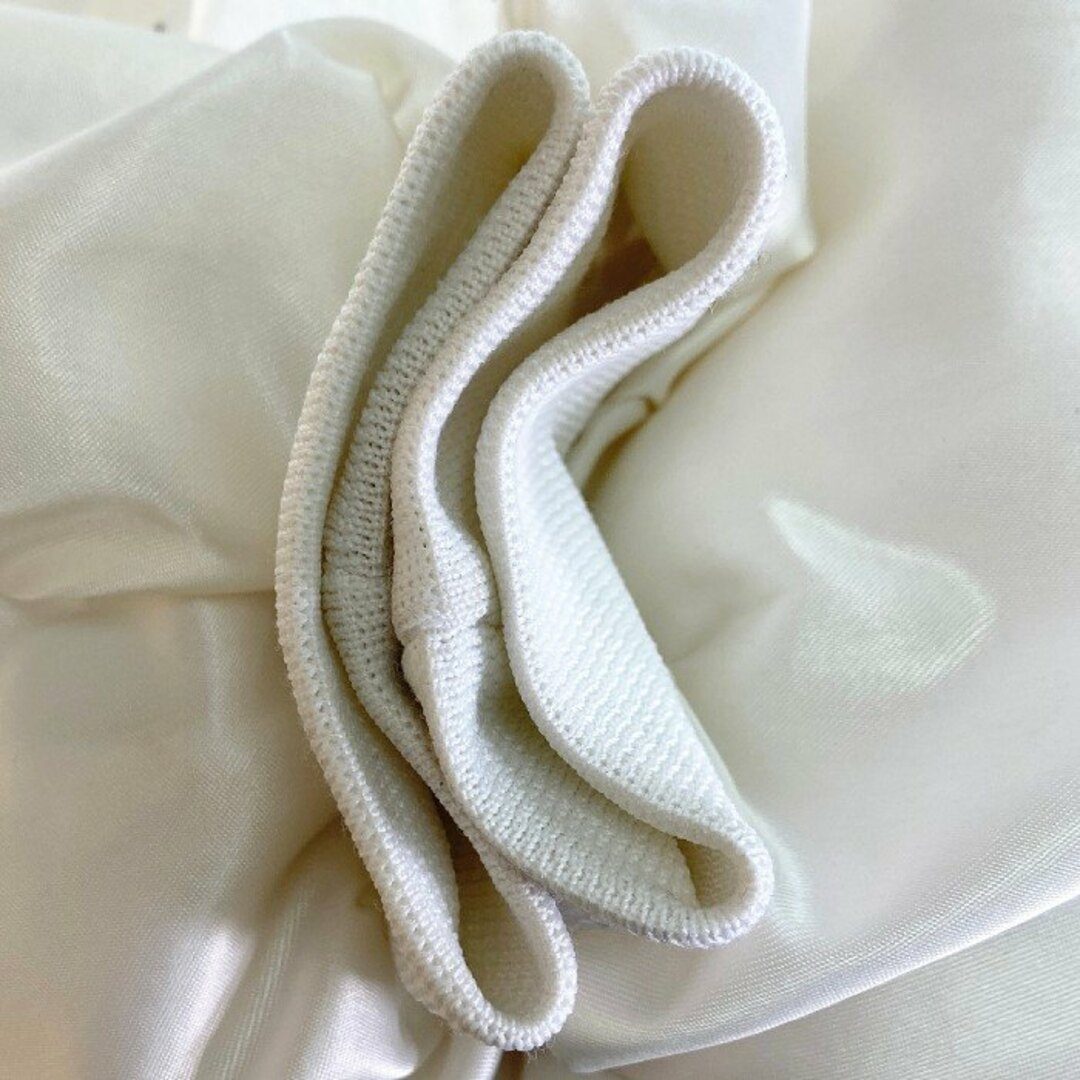
Underwear fails in predictable places: the waistband loses grip, the inner thigh thins, and the leg openings stretch out. Cotton resists all three longest — it is the most durable fibre here. Modal and bamboo rayon fail sooner, especially at the inner thigh, where friction is highest.
The fix is rotation: the more pairs you own, the less often each one is washed, and the longer each one lasts. A modal pair worn once a week lasts as long as a cotton pair worn three times a week. Our how-many-pairs guide covers the rotation math.
8. Sustainability claims, honestly
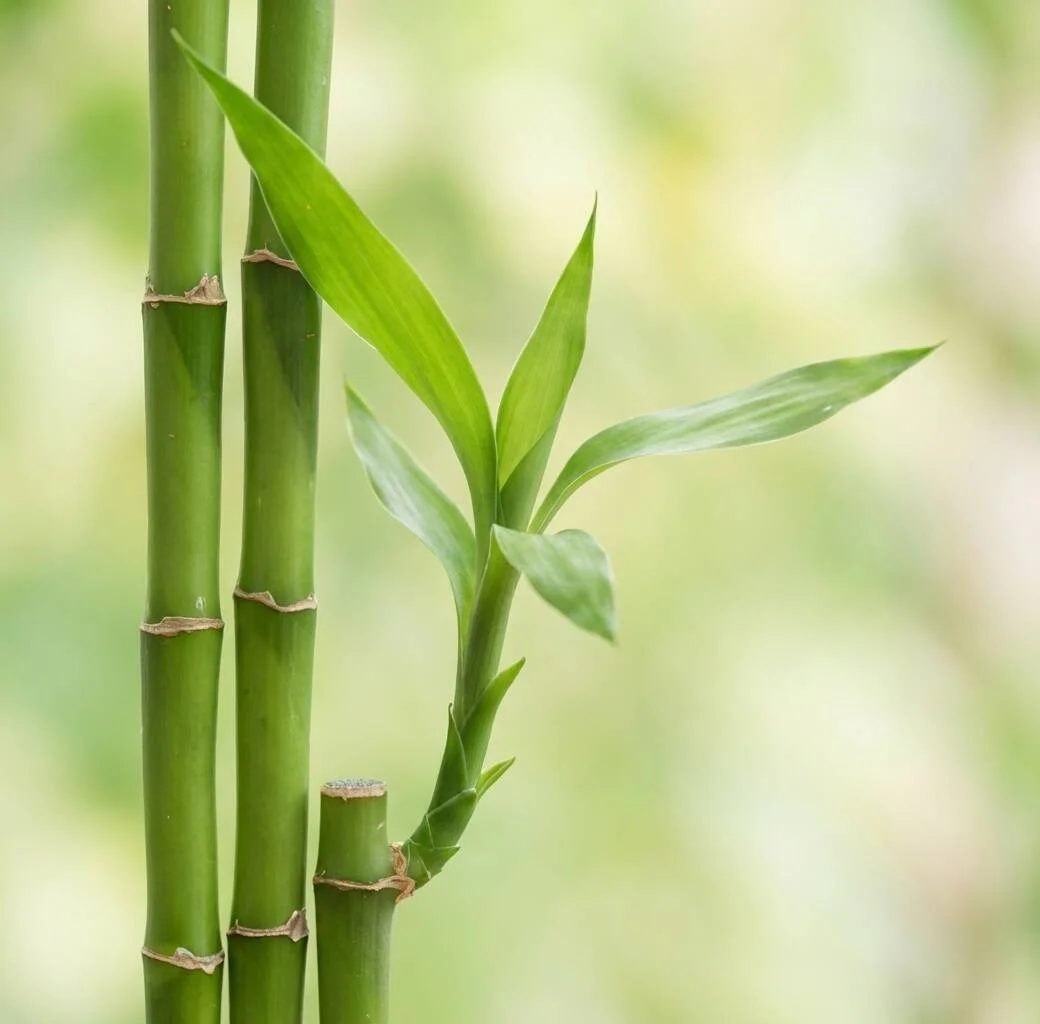
Bamboo and modal are often marketed as eco-friendly, and the claims are overstated. Bamboo grows quickly with little water, which is genuinely good — but turning bamboo into rayon requires chemical processing, and the closed-loop systems that make it cleaner are not universal. Modal from beechwood has a similar story.
Cotton's sustainability record is mixed too: conventional cotton uses a lot of water and pesticides, while organic cotton is better but more expensive. The honest summary: no underwear fibre is truly green, and the most sustainable choice is the one you wear longest — durability beats fibre origin.
9. Which fabric for which day
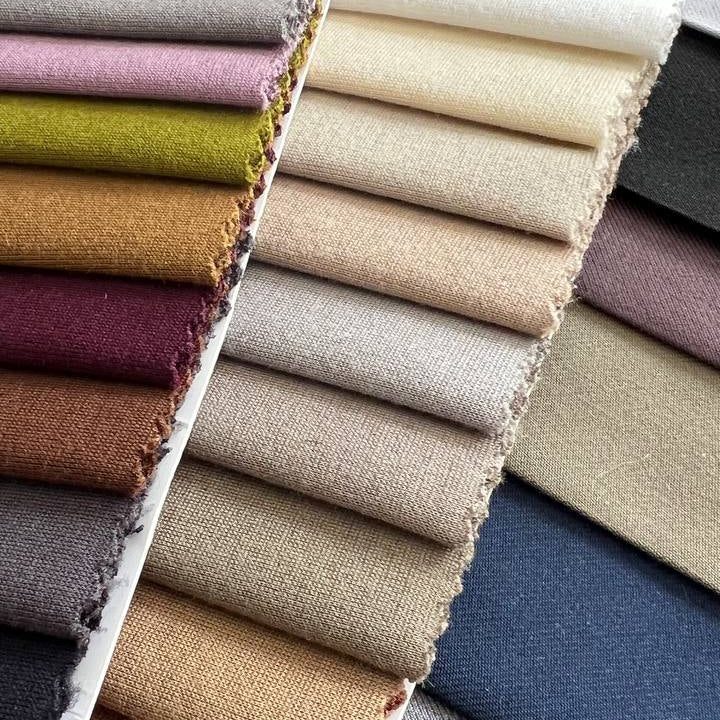
Office day, air conditioning, suit or smart trousers: modal or a cotton-modal blend — smooth, cool and invisible under clothes. Hot day, outdoor work, or a long walk: bamboo rayon or a synthetic blend — cool, smooth and fast-drying. Gym or sport: synthetics, always — nothing else dries fast enough.
Weekend, lounging, cool weather: cotton — familiar, durable and comfortable when dry. Sleep: cotton or bamboo, loose and breathable. The pattern is simple: match the fibre to the moisture and movement of the day.
10. The verdict: our fabric ranking
If we had to rank the three fibres for all-day comfort: modal first, bamboo rayon second, cotton third. Modal is the softest and most comfortable fibre we have found for everyday wear; bamboo is nearly as good at a lower price; cotton is the most familiar and durable but the least comfortable in heat.
But the real verdict is not a ranking — it is a rotation. A drawer with cotton for weekends, modal for work and bamboo for hot days is more comfortable than a drawer of any single fibre. Buy a few pairs of each, wear them for a week, and let your body decide.
Frequently asked questions
Is modal better than cotton for underwear?
For comfort, yes — modal is softer, cooler and smoother than cotton, with better drape and faster drying. Cotton wins on durability, price and ease of care. Most men prefer modal once they try it.
Is bamboo underwear actually made from bamboo?
Bamboo rayon is made from bamboo pulp, but it is a manufactured fibre — the pulp is dissolved and re-spun using a chemical process. It is not a natural fibre like cotton, but it feels cooler and smoother.
What is the most comfortable underwear fabric?
Modal is the softest and most comfortable fibre in our comparison, with bamboo rayon a close second. Both outperform cotton on softness and cooling, though cotton is more durable.
Does modal underwear last?
A well-made modal pair lasts 1–2 years with gentle care — cold wash, no tumble dryer. It is less durable than cotton but more comfortable, and rotation extends its life significantly.
Is bamboo underwear good for sensitive skin?
Bamboo rayon is smooth and gentle, which suits sensitive skin — but the fibre alone is not a guarantee. Look for tag-free construction, flat seams and no harsh dyes, and wash before first wear.
What fabric is best for sweaty days?
Synthetics (polyester, nylon) dry fastest and are best for sport. Among natural-feeling fibres, bamboo rayon and modal outperform cotton because they release moisture faster.
Is modal underwear worth the price?
For daily wear, yes — the comfort difference is real and noticeable all day. But a cotton-modal blend gets you most of the benefit at a lower price, so start there if you are unsure.
Can I put modal underwear in the dryer?
It is better not to — heat damages modal fibres and shortens the life of the pair. Air-dry when you can, and use a low heat setting if you must use a dryer.