
A waistband that rolls, sags or stops gripping by lunchtime is rarely a manufacturing defect. Elastane — the stretch fibre in almost every modern waistband and leg band — degrades with heat, chlorine bleach and aggressive agitation. Every hot wash and every tumble-dry cycle takes a small, permanent bite out of its recovery.
The good news: the fix costs nothing. Cold water cleans underwear perfectly well with modern detergent, and air-drying takes no effort beyond a rack or a line. Below is the exact routine, fabric by fabric, plus the mistakes that quietly halve the life of a drawer.
The wash routine at a glance
| Step | What to do |
|---|---|
| Water | Cold (30°C / 86°F or below) for every fabric with elastane; warm only for plain cotton whites. |
| Cycle | Gentle or delicates cycle, pairs turned inside out, washed with similar soft items. |
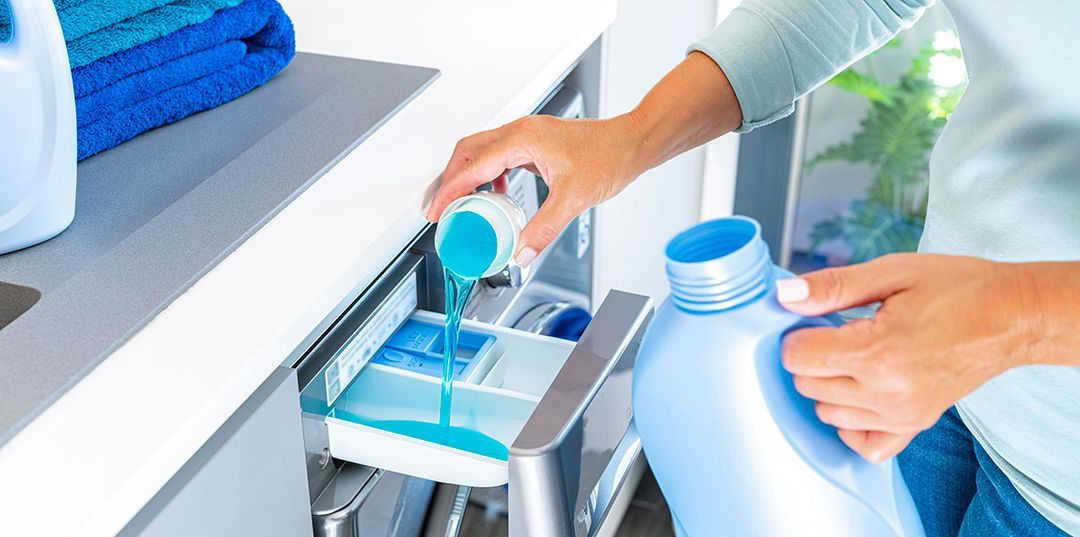
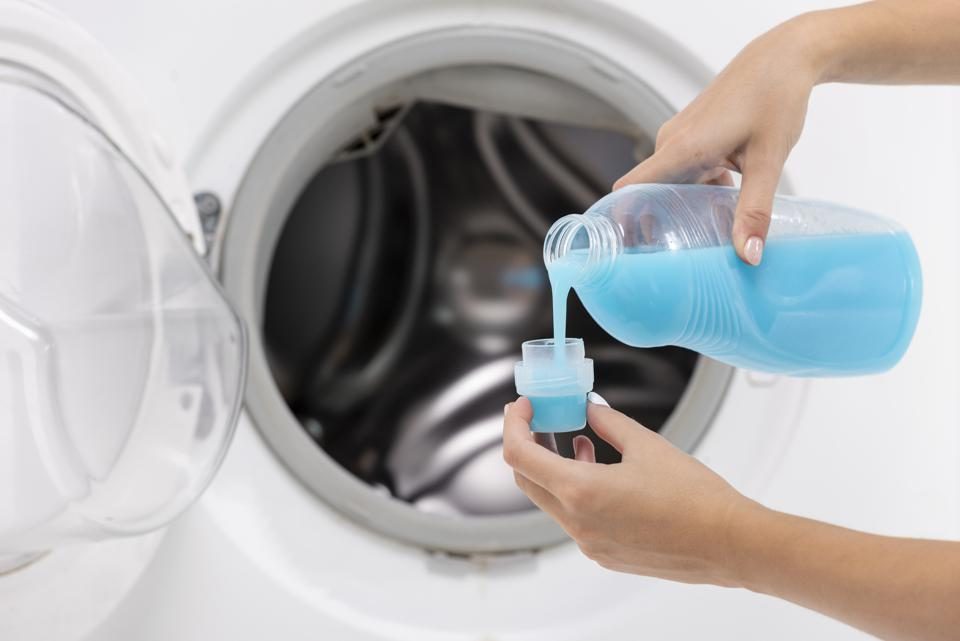
| Detergent | A normal dose of liquid detergent; no fabric softener on modal, bamboo or synthetics. |
| Drying | Air-dry flat or on a line. Tumble dry only on the lowest heat, and only when you must. |
Why does heat destroy a waistband first?
Heat breaks elastane's molecular chains, and the waistband — stretched furthest, washed hardest — shows the damage first. A waistband that once snapped back flat starts to ripple, then roll, then sag.
This is why two identical pairs can age completely differently: the one tumble-dried weekly loses its grip in months, while the air-dried pair stays snug for a year or more. The fabric body usually outlasts the band, which is why the band is the part to protect.
What water temperature should you actually use?
Cold water — 30°C (86°F) or below — is enough for everyday underwear with a modern liquid detergent. Body soil and odour lift out fine at cold temperatures; hot water adds little cleaning and a lot of elastane damage.
Reserve warm water for plain cotton pairs with no elastane, and never use hot water on modal, bamboo-rayon or synthetic boxer briefs. If a pair smells after a cold wash, the answer is a longer soak or an oxygen-based booster, not hotter water.
Should you turn underwear inside out before washing?
Yes — turning pairs inside out protects the outer face from abrasion and lets detergent work directly on the skin side, where sweat and oils actually sit. It also reduces pilling on modal and bamboo blends.
It takes two seconds per pair and makes a visible difference after twenty washes: colours stay deeper, prints stay sharper, and the waistband's outer logo band frays more slowly.
Does fabric softener really ruin underwear?
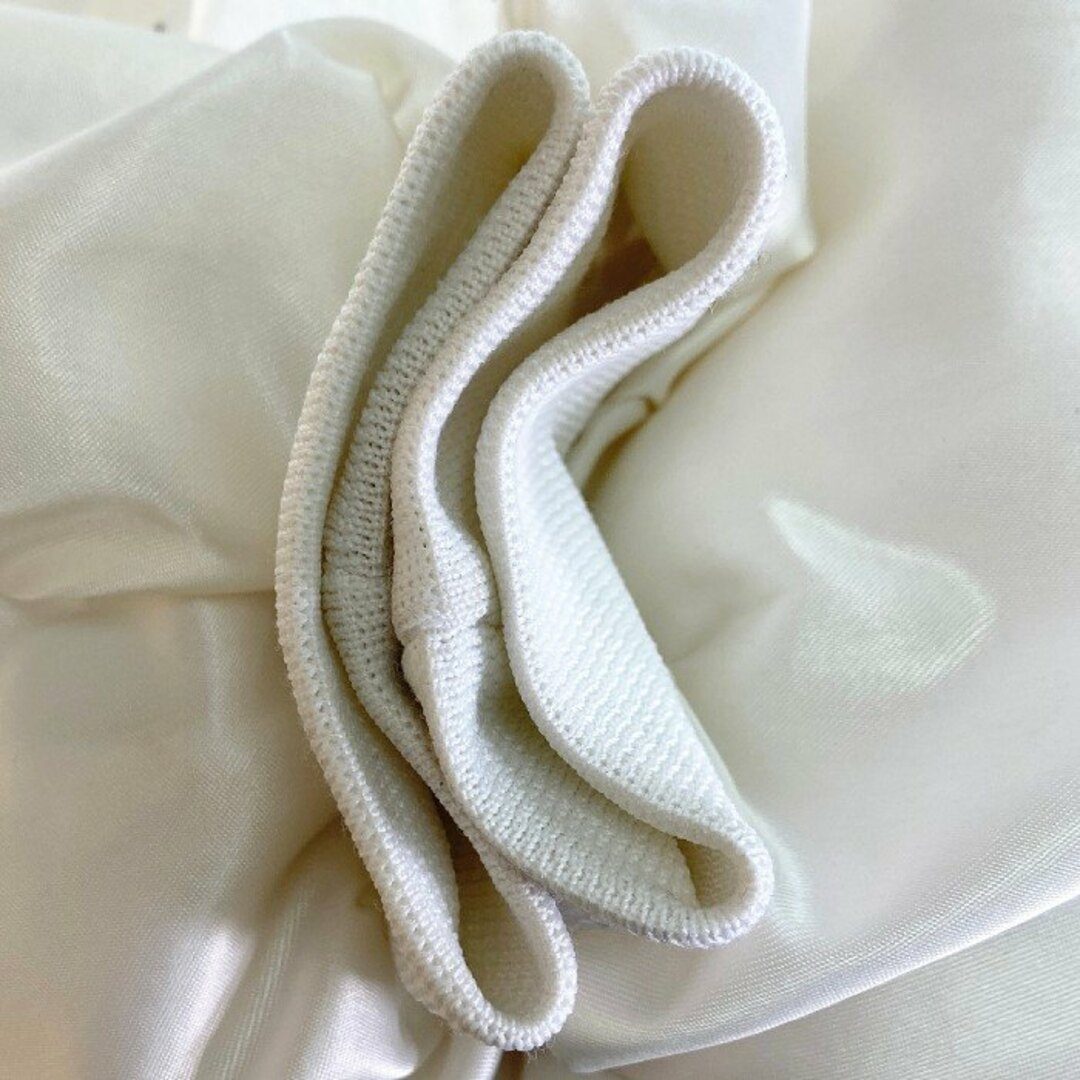
On anything with elastane, yes. Fabric softener works by coating fibres, and that coating reduces stretch recovery, traps odour in synthetics and dulls the moisture-wicking finish on performance pairs.
Plain cotton tolerates softener, but it gains little: cotton softens naturally with washing. The simplest rule is to skip softener for the whole underwear load and let the fabrics do their own job.
Which detergent is safest for modal and bamboo?
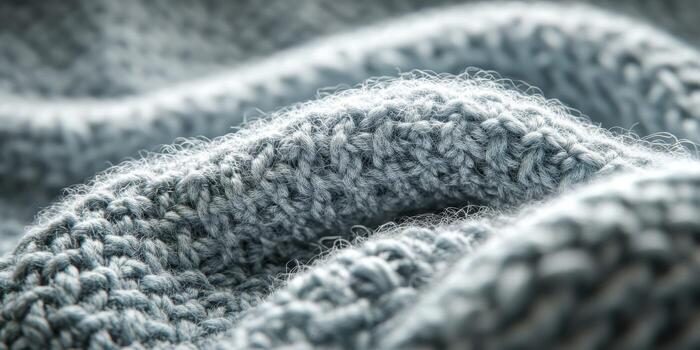
A mild liquid detergent at the normal dose is safest for modal and bamboo-rayon. These fibres are strong when dry but weaker when wet, so harsh powders and aggressive cycles abrade them faster.
Never use chlorine bleach on modal, bamboo or coloured synthetics — it yellows the fibres and attacks elastane. For whites that need brightening, an oxygen-based booster in cold water is the safer route. Our modal vs cotton vs bamboo comparison explains how those fibres differ.
Is the tumble dryer really that bad?
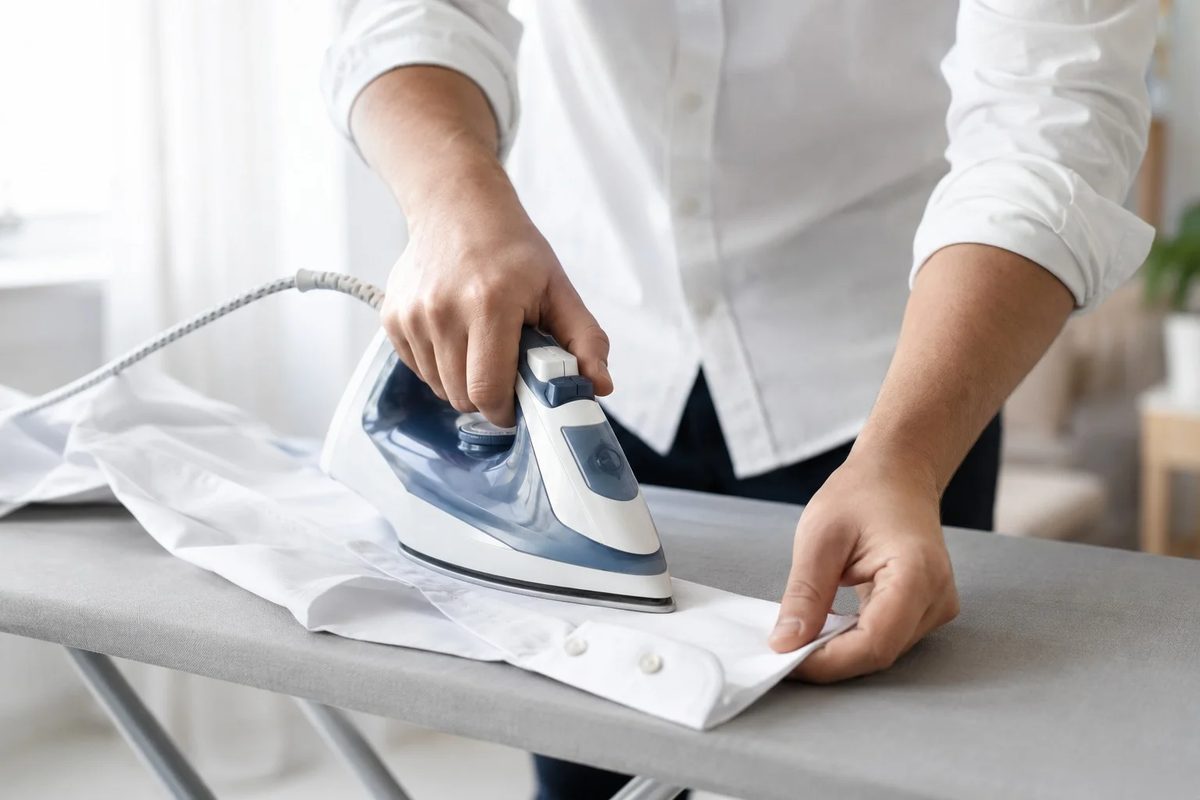
The tumble dryer is the single fastest way to kill a waistband. Sustained heat plus tumbling stretches hot elastane repeatedly, and hot elastane does not recover the way cool elastane does.
Air-drying on a rack or line costs nothing and roughly doubles waistband life. If you must use a dryer, choose the lowest heat setting and remove pairs while slightly damp — and accept that those pairs will age faster.
How often should underwear be washed?
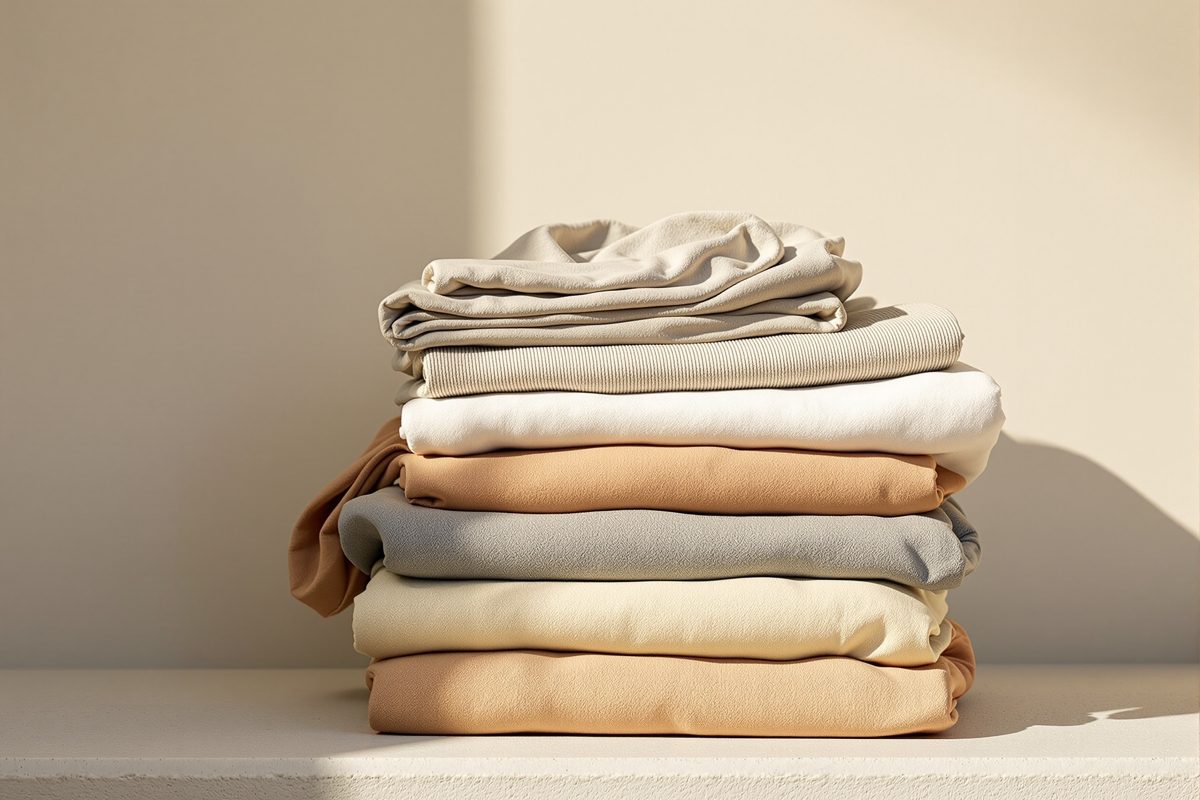
After every wear, without exception. The goal is not to wash less often; it is to make each wash gentler. A cold, gentle wash after every wear is far kinder than a hot, harsh wash once a week.
A rotation of ten to fourteen pairs spreads the wash cycles across more pairs, so each waistband is washed less often per month. Our guide to how many pairs you actually need does that math.
Should underwear be washed in a mesh bag?
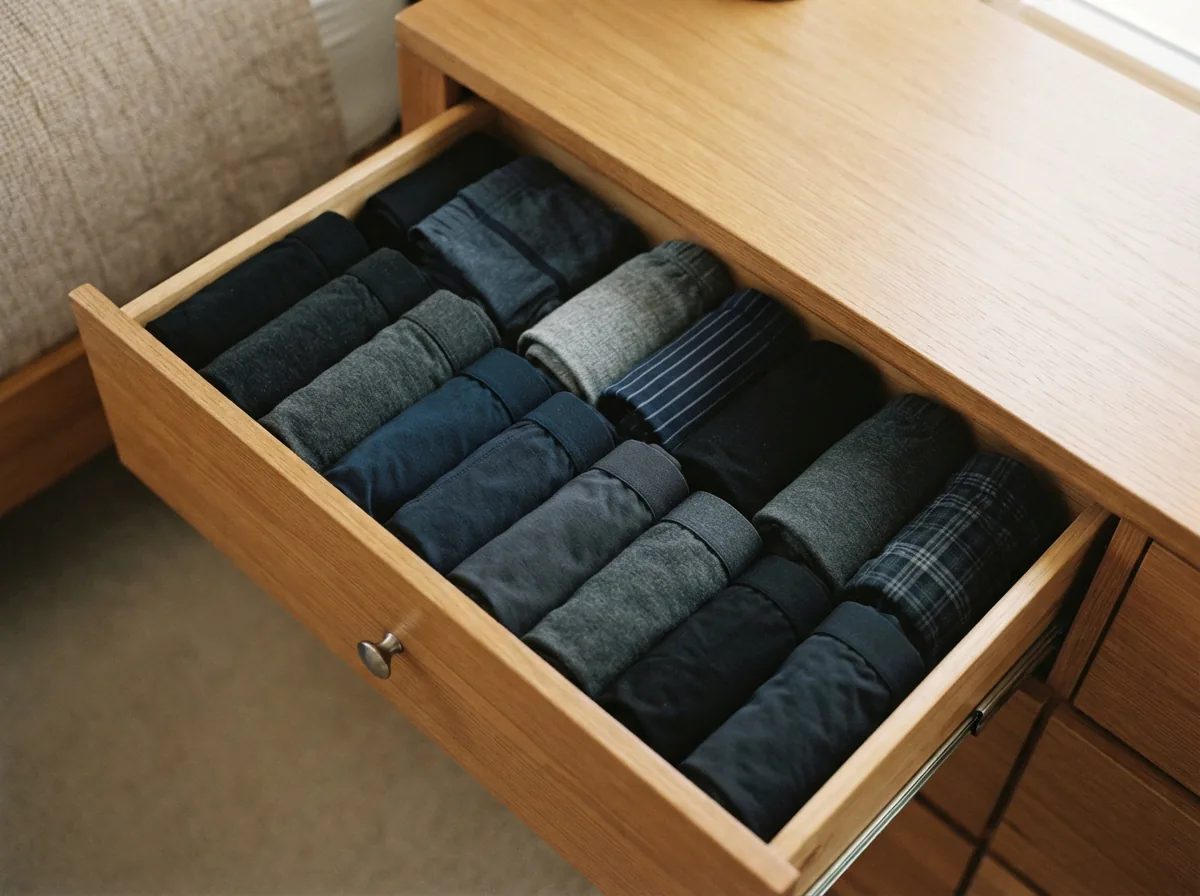
A mesh laundry bag helps, especially for modal and premium pairs. It stops legs wrapping around the drum, keeps waistbands from snagging on zips and hooks, and reduces the stretching that happens when wet pairs tangle.
It is not essential for sturdy cotton multipacks, but for the pairs you paid more for — the ones in our boxer brief guide — a bag is cheap insurance.
What are the signs a waistband is already dying?
The early signs are a waistband that ripples instead of lying flat, edges that curl, and a band that stays stretched after you pull it instead of snapping back. Once the leg bands stop gripping, ride-up follows quickly.
At that point the pair is not dangerous, just uncomfortable — and no wash routine reverses elastane damage. Replace it, and wash its replacement cold from day one.
Does washing affect chafing and ride-up?
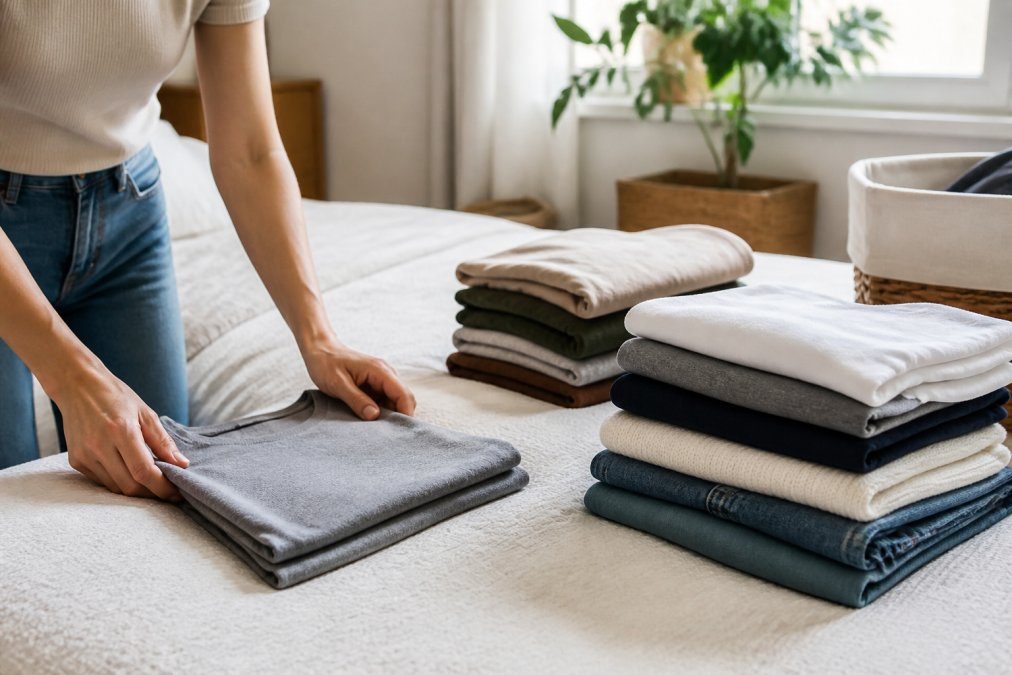
Yes — a waistband and leg bands that still grip keep the legs anchored, and anchored legs are what prevent ride-up and the chafing that follows it. Most 'this pair suddenly rides up' complaints are really 'this pair's bands gave up'.
If chafing is your main problem even with fresh pairs, fabric and leg length matter more than washing: our guide to stopping chafing with fabric choices covers that side.
Frequently asked questions
Can you wash underwear in hot water to kill germs?
You rarely need to. A cold wash with detergent removes everyday soil and odour; hot water mainly damages elastane. For illness in the household, wash plain cotton pairs warm and keep stretch pairs cold.
How long should a good waistband last?
With cold washing and air-drying, a quality waistband typically keeps its grip for 18 months to two years of weekly rotation. Tumble-dried weekly, expect roughly half that.
Is liquid or powder detergent better for underwear?
Liquid dissolves fully in cold water and rinses cleaner from stretch fabrics. Powder can leave residue in cold washes, which dulls modal and synthetics over time.
Should boxer briefs be washed separately?
They can share a load with other soft items like undershirts and socks. Keep them away from jeans, towels and anything with zips or hooks that snag waistbands.
Does vinegar help underwear last longer?
A small amount of white vinegar in the rinse can remove detergent residue and odour from synthetics. It does not restore damaged elastane, and it is no substitute for cold water.
Why does my underwear smell after washing?
Usually detergent residue or softener coating trapping odour in synthetic fibres. Wash cold with a full rinse, skip softener, and air-dry fully before folding.
Can you iron underwear?
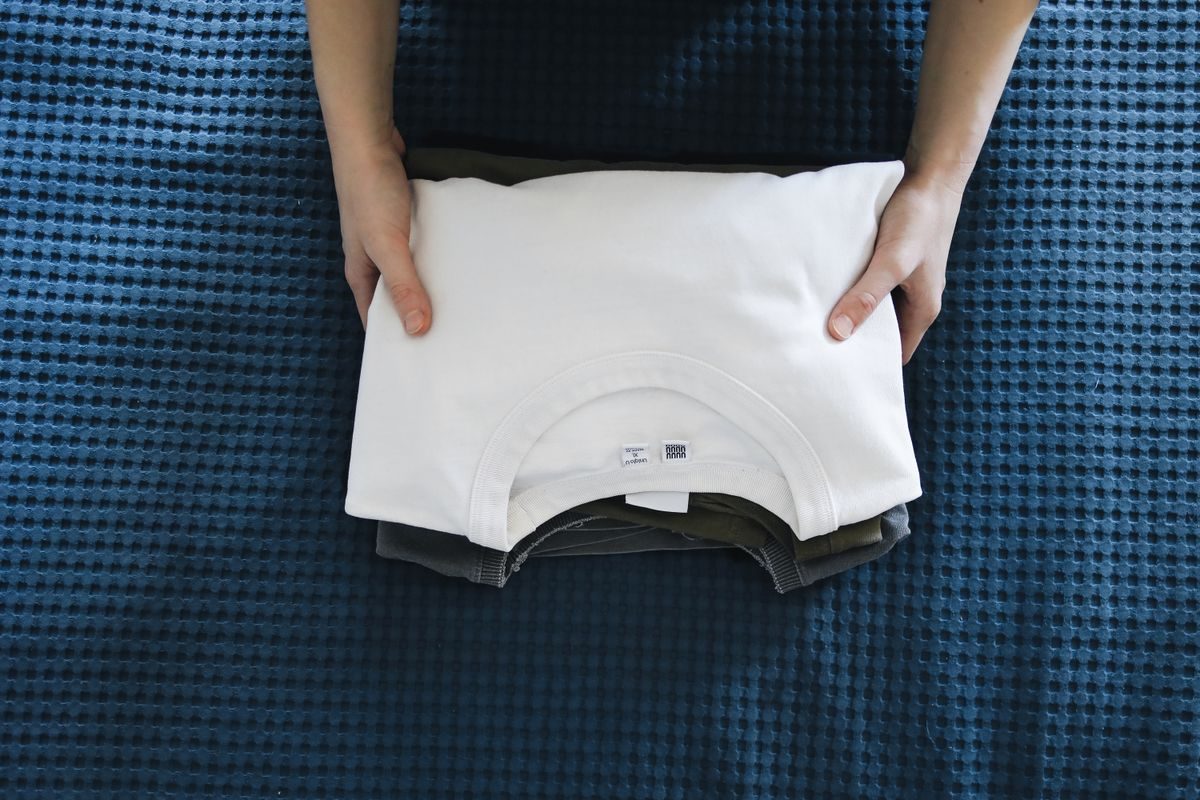
There is no need, and direct heat on elastane bands does the same damage as a dryer. Fold pairs flat and store them in a drawer instead.